
A Comprehensive Guide to Choosing the Best Herbal Grinder

Using an herbal grinder makes all the difference—it transforms whole dried herbs into a fine, fragrant blend in seconds. Whether you use a manual or electric grinder, freshly milled herbs release richer aromas and more vibrant flavors. It’s an easy way to elevate your herbal craft and enjoy the full potency of every leaf and petal.
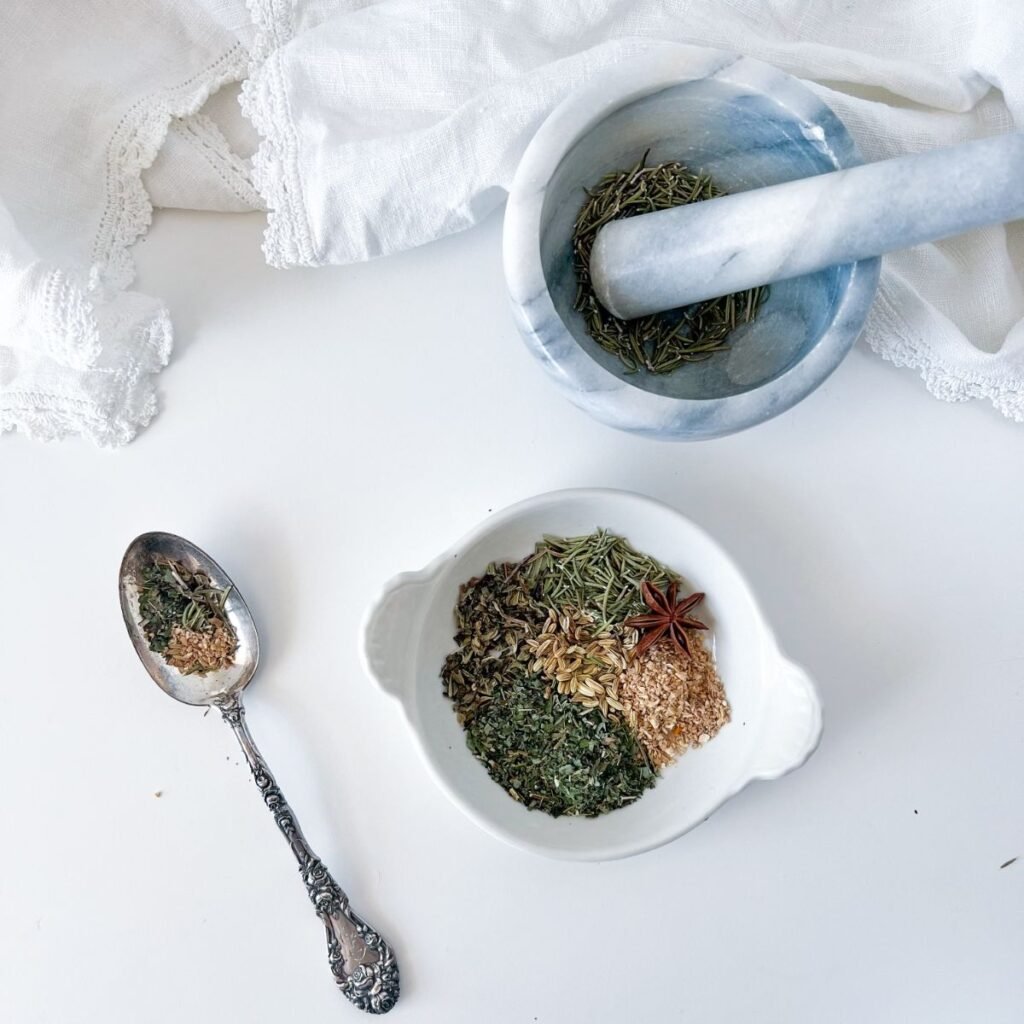
What we need in our apothecary (or kitchen) seems to shift with each season and phase of life. Over the years, I’ve collected all sorts of herbal tools—some treasures I use every day and others that have slowly migrated to the back of the cupboard.
An often-overlooked tool in this journey is the herbal grinder or spice mill, a device that can enhance your experience by ensuring your botanicals are ground to perfection.
Lately, I’ve been taking a closer look at what I truly need to make my herbal preparations more efficient, enjoyable, and aligned with how I actually work with plants. And one tool I’ve come back to time and again is the humble herbal grinder.
Whether I’m blending dried herbs for infused oils, grinding roots for tinctures, or preparing spices for salves, the right grinder makes all the difference. It’s one of those simple tools that bridges the gap between traditional handicraft and modern convenience.
In this article, we’ll explore a few types of herbal grinders — from the timeless mortar and pestle to repurposed coffee grinders and electric and manual herbal grinders — along with the benefits of each. My hope is to help you find the right tool for your rhythm and herbal practice, whether you’re just getting started or refining your home apothecary setup.

What I Consider When Choosing Herbal Grinders
I’ve picked up my fair share of tools for working with herbs—some that have become daily staples and others that, honestly, just collect dust. It’s easy to get swept up in the excitement of a new gadget, only to realize later it wasn’t quite the right fit for how I actually work.
These days, I’m making a more intentional effort to choose tools that truly support my herbal practice—ones that are durable, easy to use, and make my process smoother rather than more complicated.
That doesn’t mean I’m always reaching for the most expensive or fancy option (though I do love a well-made tool). Instead, I like to consider a few key factors before adding a new grinder to my collection.

Herbal Grinders – A Thoughtful Buying Checklist
When it comes to herbal grinders, it’s easy to get lost in the options — from classic mortars and pestles to high-speed electric grinders and everything in between. I’ve bought my fair share over the years, and like most herbal tools, some have stood the test of time while others have found new homes (or the back of a cabinet).
These days, I try to be more intentional about what I bring into my apothecary. Here’s what I consider before investing in a new herbal grinder:
What to consider before you buy
The Importance of Grinding Herbs- Why Even Bother?
Back in my beginning herbalism days, I never bothered grinding my herbs. I often wondered why my infused oils never seemed to have the potency or aroma that I desired.
It was only years later that I learned that grinding herbs is an essential step in maximizing their potency and efficacy. When herbs are finely ground, they release their natural oils and active compounds more readily, thereby enhancing their therapeutic effects.
I learned that fine grinding also ensures a consistent texture, which is vital for making effective tinctures, teas, and other herbal preparations. Moreover, grinding herbs allows for better control over dosage and potency. When herbs are ground to a uniform consistency, it becomes easier to measure and use them accurately, ensuring that you get the most out of every product. This was never a problem when I was attempting to make lotion bars, but once I moved into creating tinctures for specific needs, the need to measure potency became essential.
No matter how you grind your herbs, ground herbs offer higher potency possibilities and more accurate measuring when making herbal products.
This post contains affiliate links. Any purchases from links outside of A Farm to Keep may earn a commission at no additional cost to you.
Types of Herbal Grinders: Manual vs. Electric
When it comes to grinding herbs, the choice between manual and electric models is a fundamental consideration. This is where considering your preferences as an herbalist needs to be considered.
Manual Herb and Spice Grinders
Manual herb grinders encompass various grinding options. The first is often associated with herbalists: the mortar and pestle. The second is a more modern tool, more often associated with cannabis users, a manual herb grinder, while the third option may evoke fairy tale visions as the hand-cranked herb mill. We will delve into more detail about each option below. However, when considering a manual herb grinder, whether a mortar and pestle or a modern handheld model, it’s essential to consider your intended use, personal aesthetic, storage space, and the quantity of herbal grinding you need.
Manual Herb Grinders

Mortar and Pestle
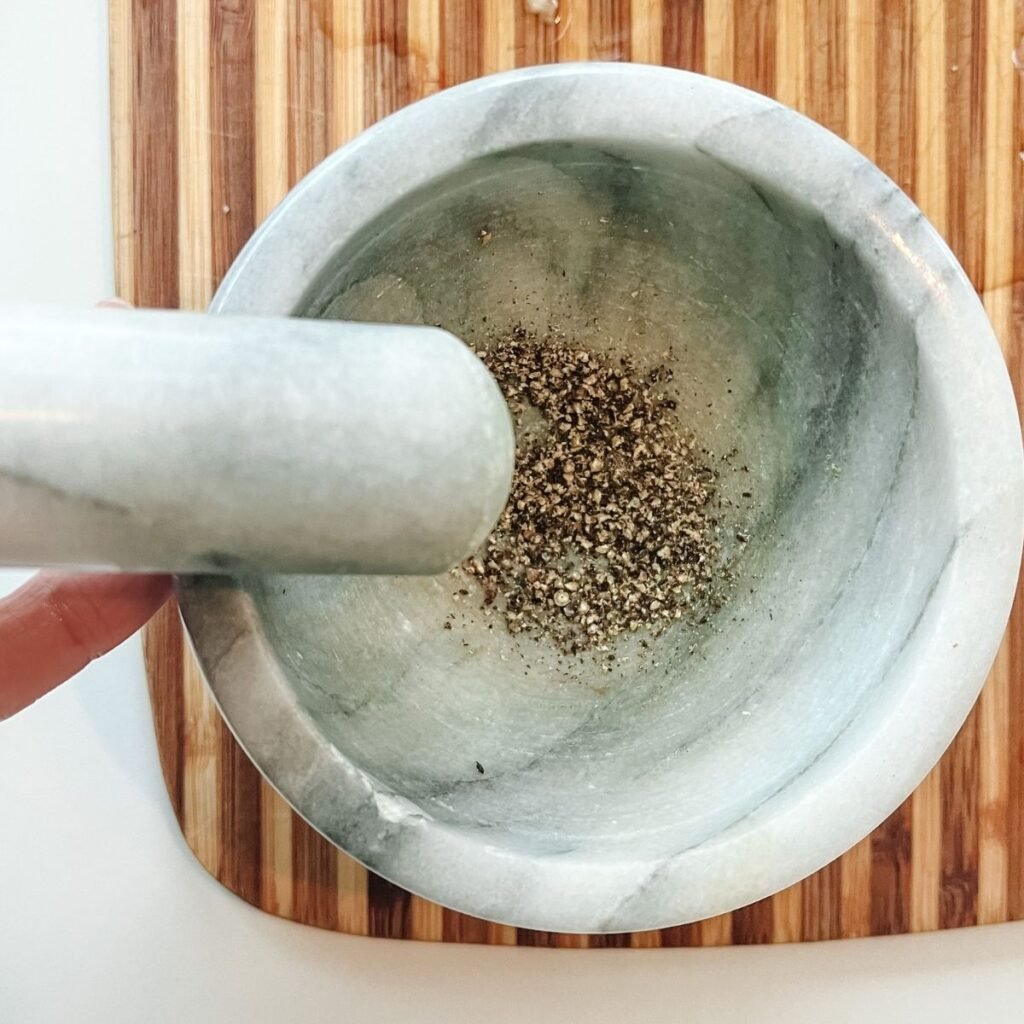
They are a classic for a reason! Sturdy, reliable, effective, and beautiful, mortars and pestles have withstood the test of time and are a must-own among most herbalists. The best options to consider are those made of marble, stone, or ceramic. Avoid plastic and wood varieties when grinding exceptionally oily herbs or resins, as the oils will absorb into those materials more easily.
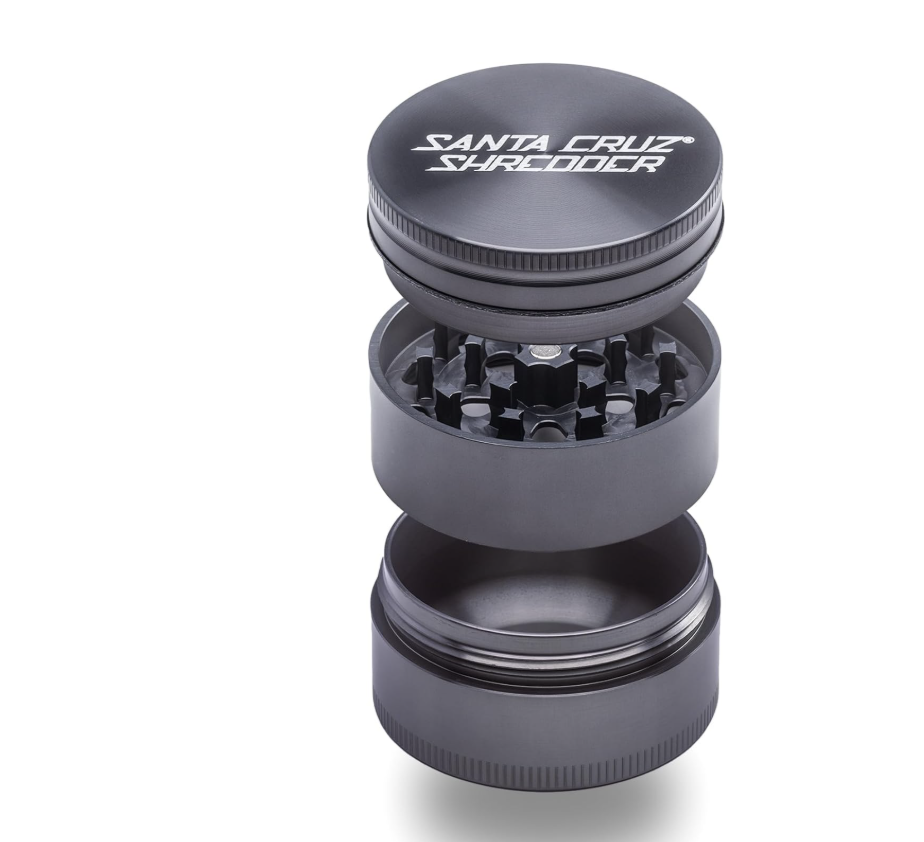
Manual Herb Grinder
Manual grinders are often favored for their simplicity, portability, and control. These grinders typically consist of two halves with sharp teeth, which you twist to grind the herbs. One of the main advantages of manual grinders is that they do not require any power source, making them ideal for travel or outdoor use. Additionally, manual grinders are often more affordable and can be quite durable, lasting for years with proper care.
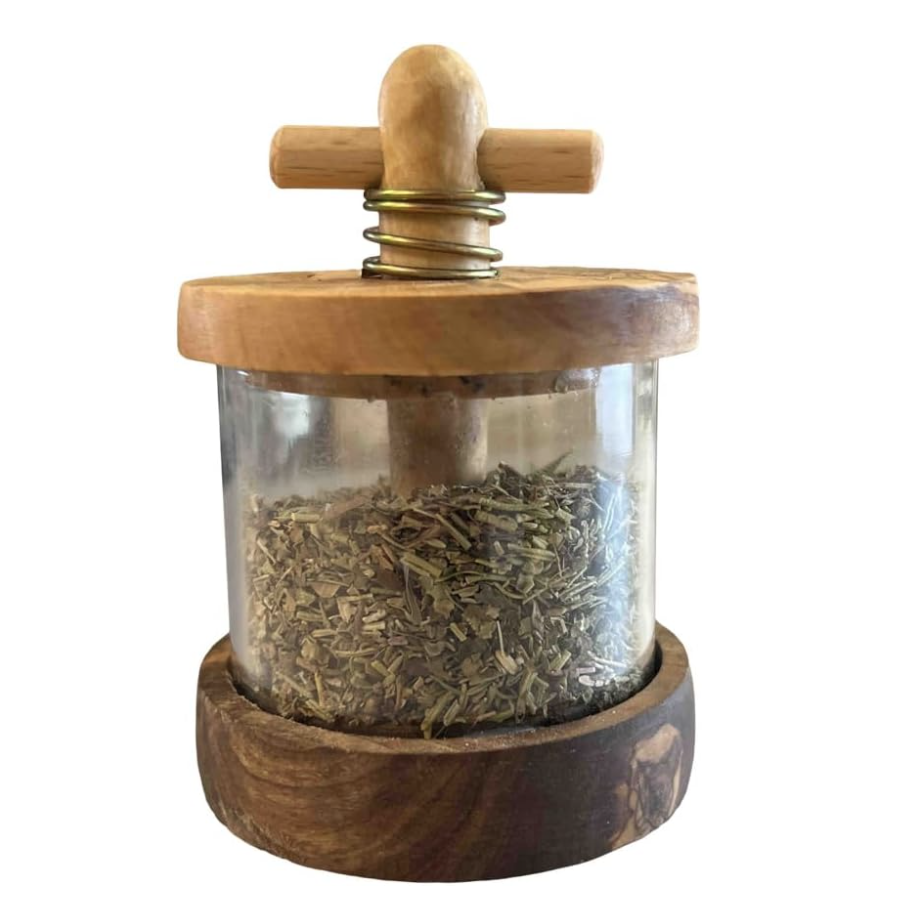
Manual Herb Mill
For an even more aesthetic (and dare we say, “Main Character”) vibe, a hand-cranked herb mill is not only beautiful, but an effective method of grinding herbs and spices. Typically best for grinding the leaves and buds of herbs, as opposed to seeds and resins. Herb mills are also ideal for grinding medium amounts of herbs, as hand cranking can become tiresome.
Electric Herb and Spice Grinders
Fast, convenient, and effective are the best ways to describe electric herb grinders and spice mills. Best for processing large quantities of herbs. These grinders are equipped with powerful motors that can quickly and effortlessly grind herbs to the desired consistency. Electric grinders often come with multiple settings, allowing you to choose the fineness of the grind, which can be particularly useful for different types of herbal preparations. While they tend to be more expensive than manual grinders, the time and effort saved can be well worth the investment for frequent users.
Electric Herb Grinders
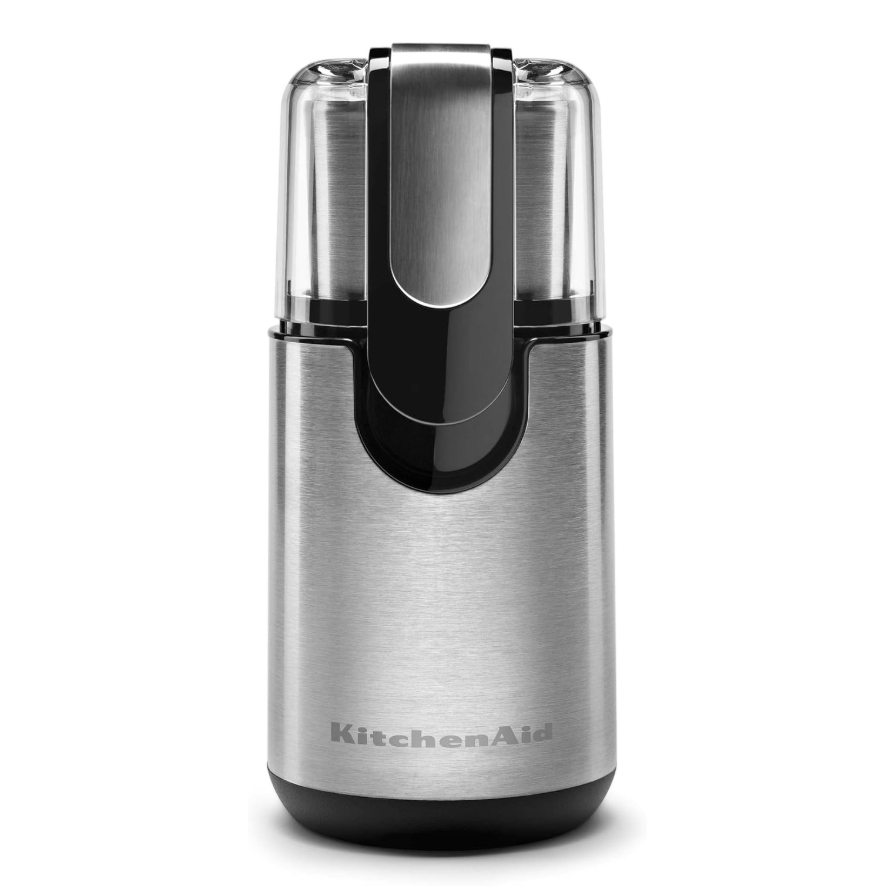
Coffee Grinder
Don’t skip this option; electric coffee grinders are fast, effective, and often less expensive than other electric options. Typically built with a few speed options and durable metal blades, these grinders make a convenient method for grinding a variety of herbs, spices, resins, and seeds.
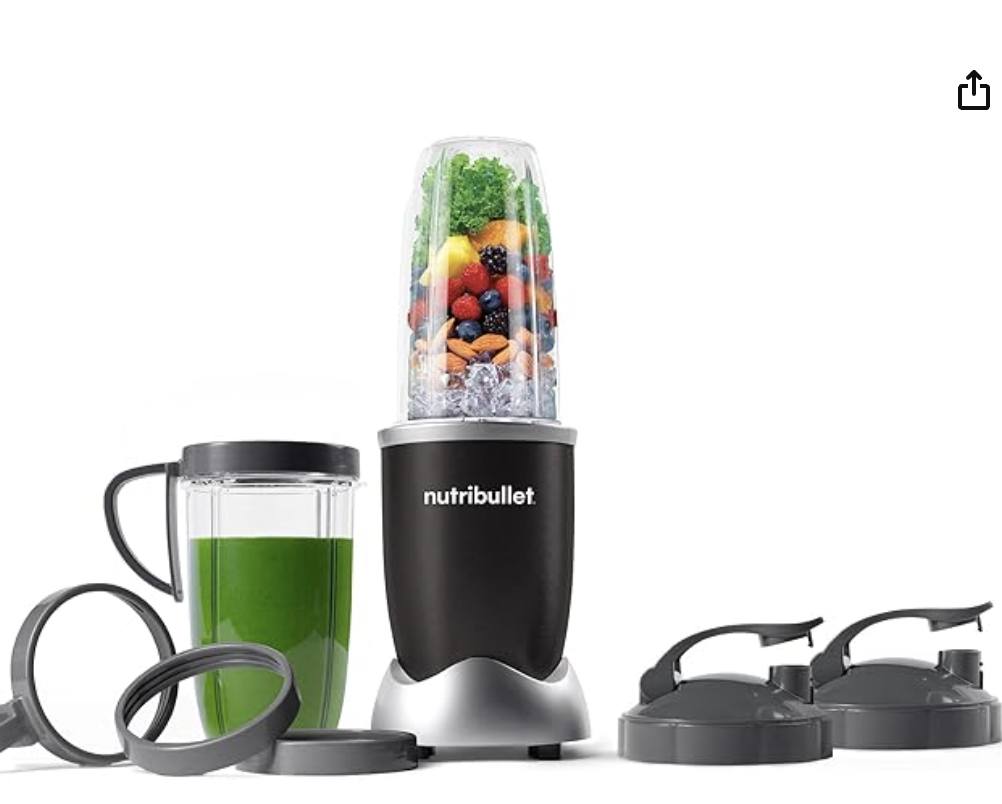
Nutribullet Blender
Not usually associated with spice blending, but the Bullet Blender is an effective tool in the apothecary. You can quickly reduce large quantities of herbs to find powders within seconds. One point of caution is that the blender can get hot with consecutive use, which can damage the oil structures of more delicate herbs.

Electric Herb Mill
Electric Herb Mills are designed to provide a variety of textures and consistency options, which make them an effective tool in the apothecary. Whether you wish to blend the herbs to a fluffy light consistency or a fine powder, an electric herb mill will do the job. One drawback of electric herb mills is their limited capacity, making them better suited for blending and grinding medium quantities of herbs.
Each type of grinder has its own set of pros and cons, and the best choice depends on your specific needs and preferences. If you value portability, control, and affordability, a manual grinder might be the best option for you. However, if you prioritize convenience, speed, and versatility, an electric grinder could be the better choice. Ultimately, understanding the differences between these types of grinders will help you make an informed decision that aligns with your lifestyle and herbal practices.
Making an Informed Choice for Your Herbal Needs
Choosing the best herbal grinder for your needs involves understanding the importance of grinding herbs, exploring the different types of grinders, and considering key features such as material, number of chambers, ease of use, and maintenance. By familiarizing yourself with top brands and models, you can find a grinder that aligns with your specific preferences and budget, ensuring a superior herbal grinding experience.
Ultimately, investing in a high-quality herbal grinder is a worthwhile decision for anyone who values the therapeutic and sensory benefits of herbs. By making an informed choice, you can unlock the full potency of nature’s bounty and elevate your herbal rituals, ensuring that you get the most out of your botanicals. Whether you’re a seasoned enthusiast or just beginning your journey into the world of herbal remedies, the right grinder can make all the difference in enhancing your experience and achieving your wellness goals