Make Lavender Salve Recipe: Oil-to-Beeswax Ratios and Safety Notes

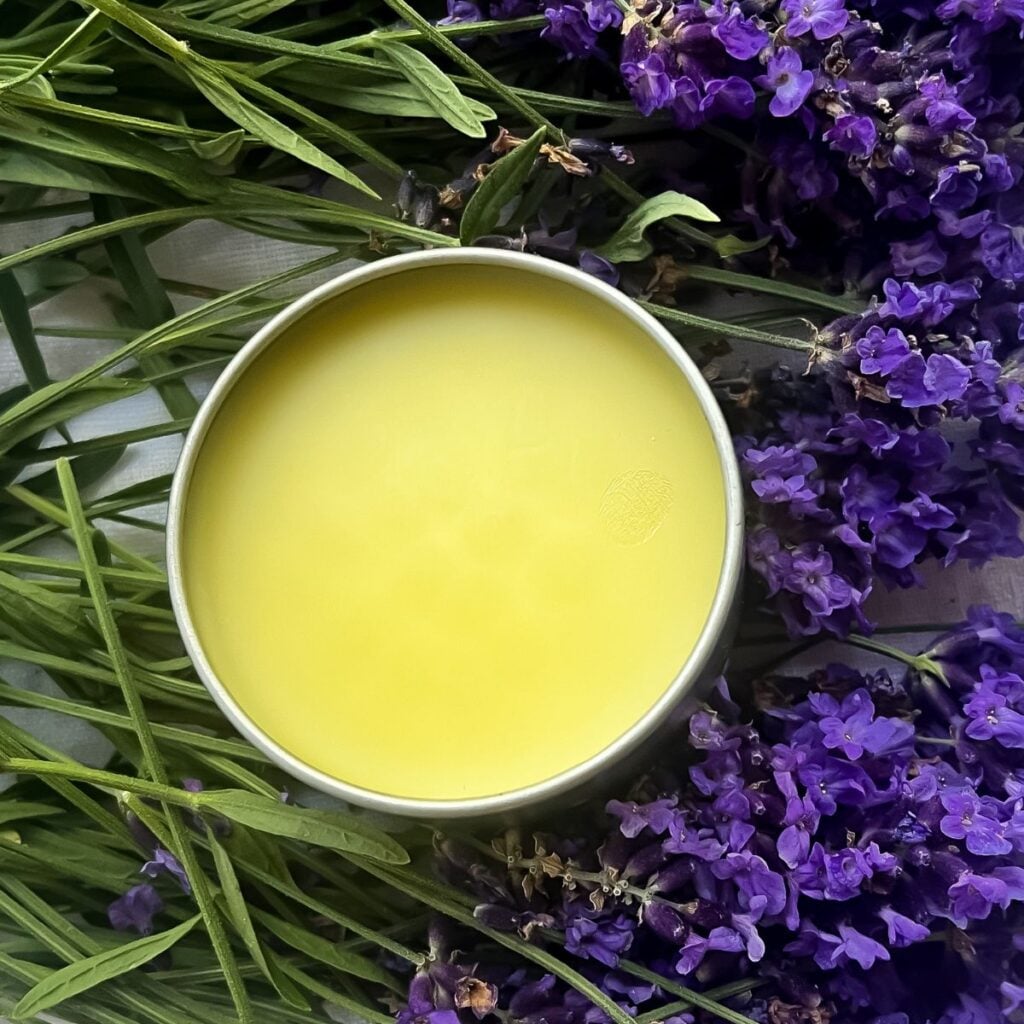
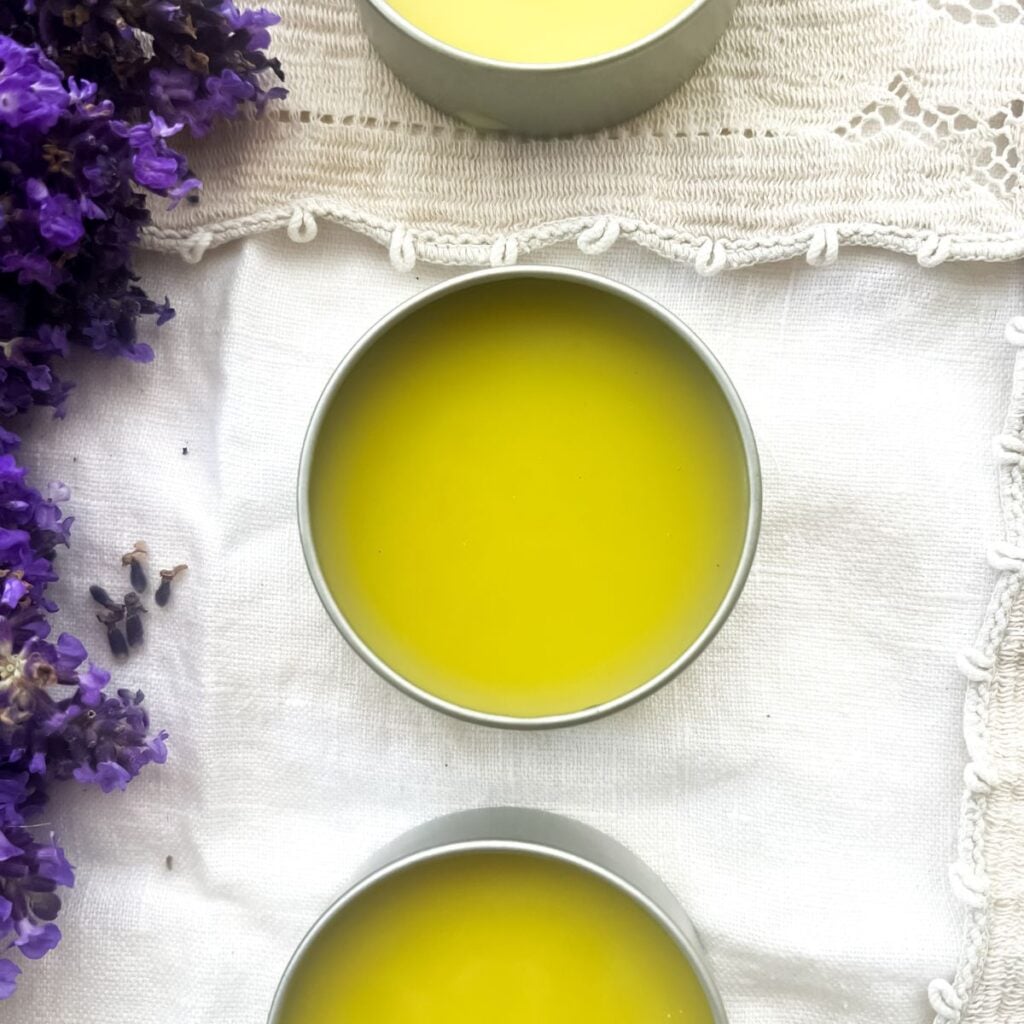
The next time you’re feeling stressed, make this lavender Salve with beeswax for instant relief. I like to massage the pressure points on my wrists and behind my ears when I am feeling overwhelmed. The aroma is calming, while the salve itself is infused with all of the benefits of lavender. I especially love how easily this recipe comes together and keeps well, so once it’s made, I know I will have it on hand when needed.
This article contains affiliate links. Please read our full disclosure page for details.
What is a Lavender Salve?
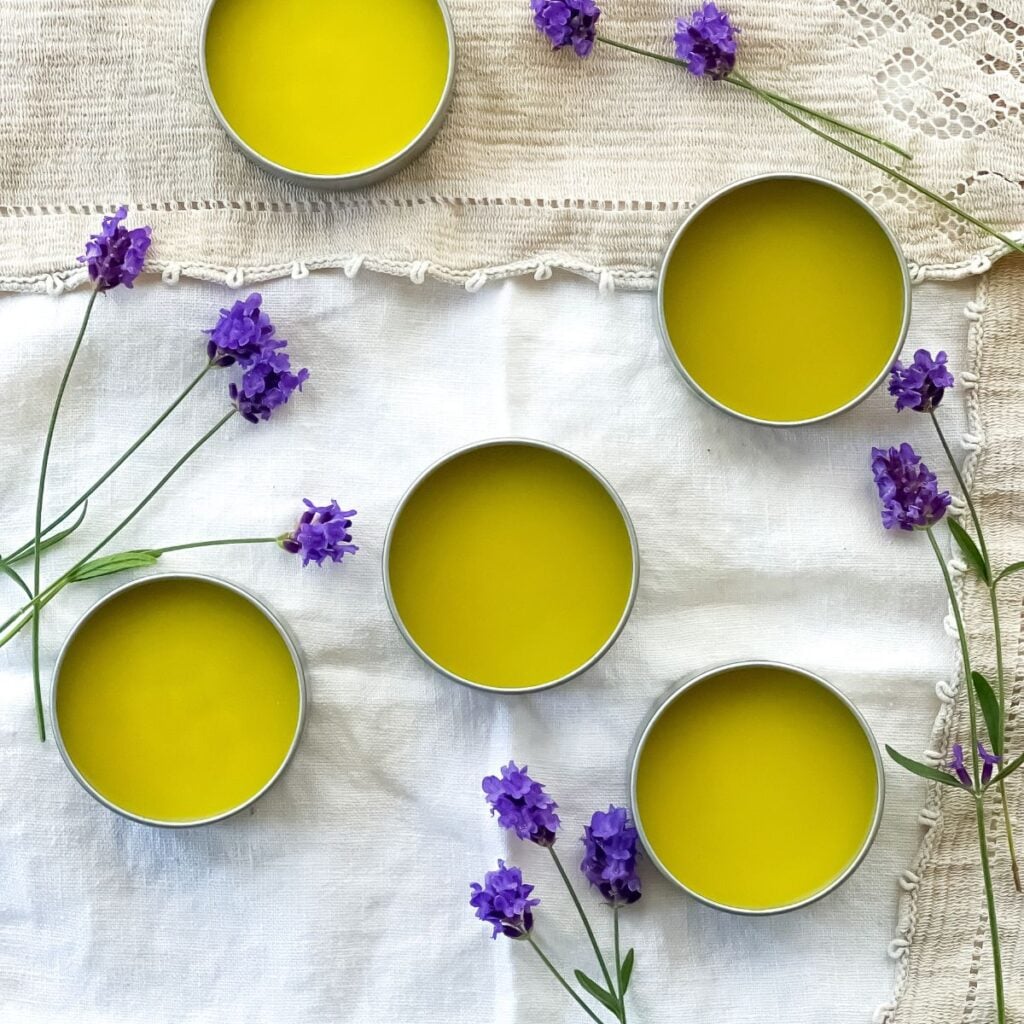
Salves, sometimes called ointments or unguents in herbalism, are semi-solid preparations made by blending infused oils with wax. They apply herbal oils in a clean, controlled way, extend shelf life, and are an excellent starting point for beginner herbalists, as they require minimal ingredients and equipment.
This particular salve was born out of an abundance of lavender growing in my own yard, and I wanted a meaningful way to use and enjoy the harvest. I also wanted to create something gentle enough to use with my young children; a calming tool to reach for when they were feeling nervous, wound up after a long day, or needed help settling down before bed. A small tin of lavender salve, massaged onto little wrists or behind tiny ears, has become exactly that.
Get the Printable
Love this recipe? Get the beautifully designed printable PDF version — perfect for your kitchen apothecary binder. Subscribers get it free. Or grab it in my shop for $5.00.
$5.00- Today Only!
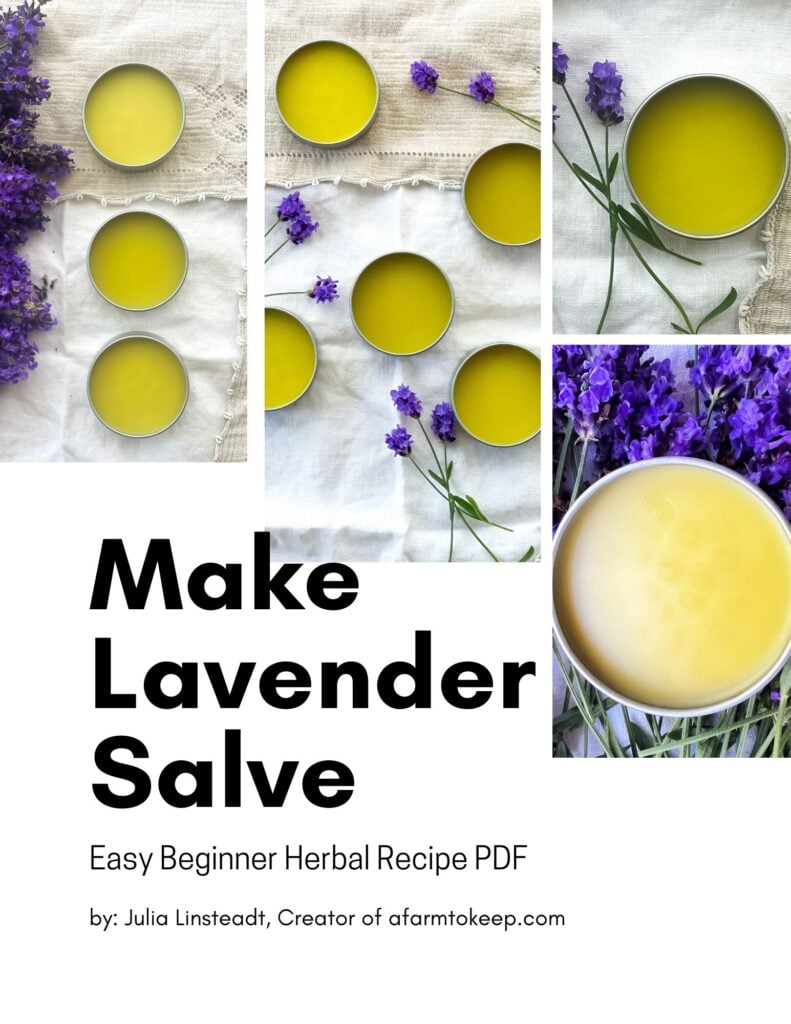
Make Lavender Salve|An Easy DIY Botanical Recipe| Printable PDF
Purchase this recipe booklet in PDF format! The PDF file contains everything you need to make a simple, beautiful lavender salve from scratch. Including a full ingredients list, equipment guide, step by step instructions, and notes on the art of botanical crafting.
Download the file immediately and keep your confirmation email so you can download it again later.
Why You’ll Love This Recipe
Deeply Soothing :
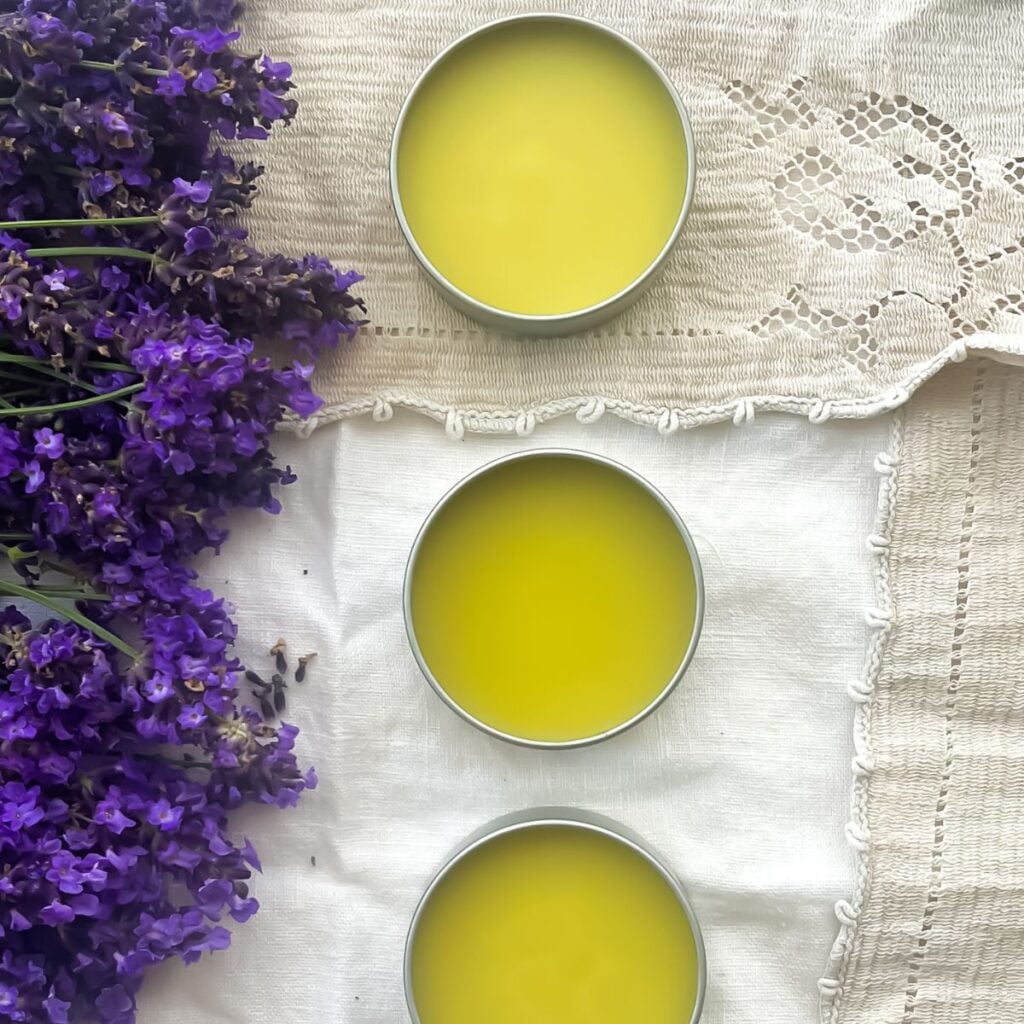
This salve is calming, grounding, and quietly restorative. The lavender works to ease stress and tension, while the beeswax creates a protective, skin-softening base that makes every application feel like a small act of self-care.
Simple Ingredients:
You don’t need anything complicated for this recipe — just a few carefully chosen ingredients. Proof that the most effective remedies are often the most straightforward.
Easy to Make:
If you can measure and melt, you can make this salve. It comes together quickly and keeps for a long time, making it an easy addition to your wellness routine without any fuss.
Versatile:
This salve invites you to make it your own. Massage it into the pressure points on your wrists and behind your ears for stress relief, smooth it onto dry skin as a nourishing balm, or use it as a calming bedtime ritual. It’s a simple recipe that adapts beautifully to your needs.
Perfect for Relieving Stressful Moments:
Whether you’re feeling overwhelmed in the middle of the day or winding down at night, this gentle salve is the perfect thing to reach for when you need a moment of calm.
Budget-Friendly:
With just a handful of ingredients, you can make a generous batch of this salve at home for a fraction of what you’d spend on comparable wellness products. Good self-care doesn’t have to be expensive — sometimes it just takes a little time and intention.
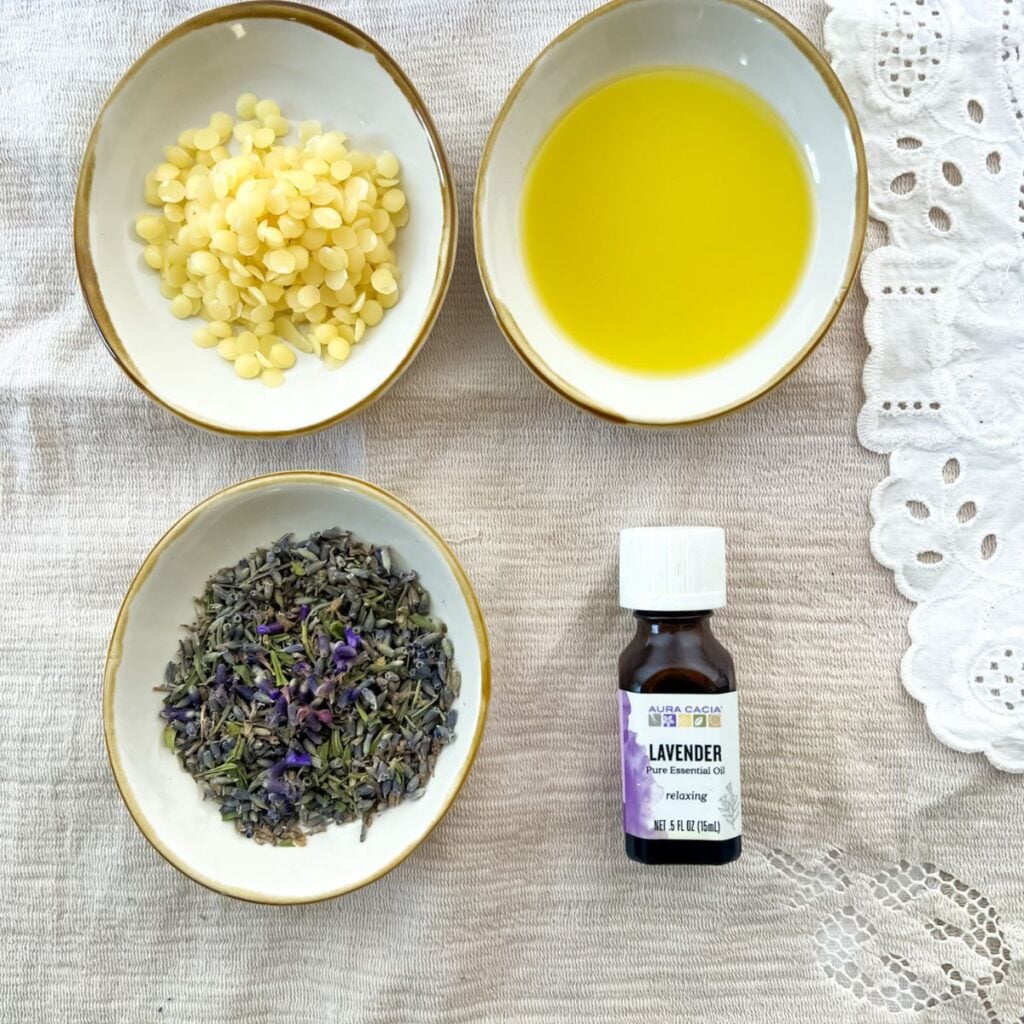
Ingredients
Lavender:
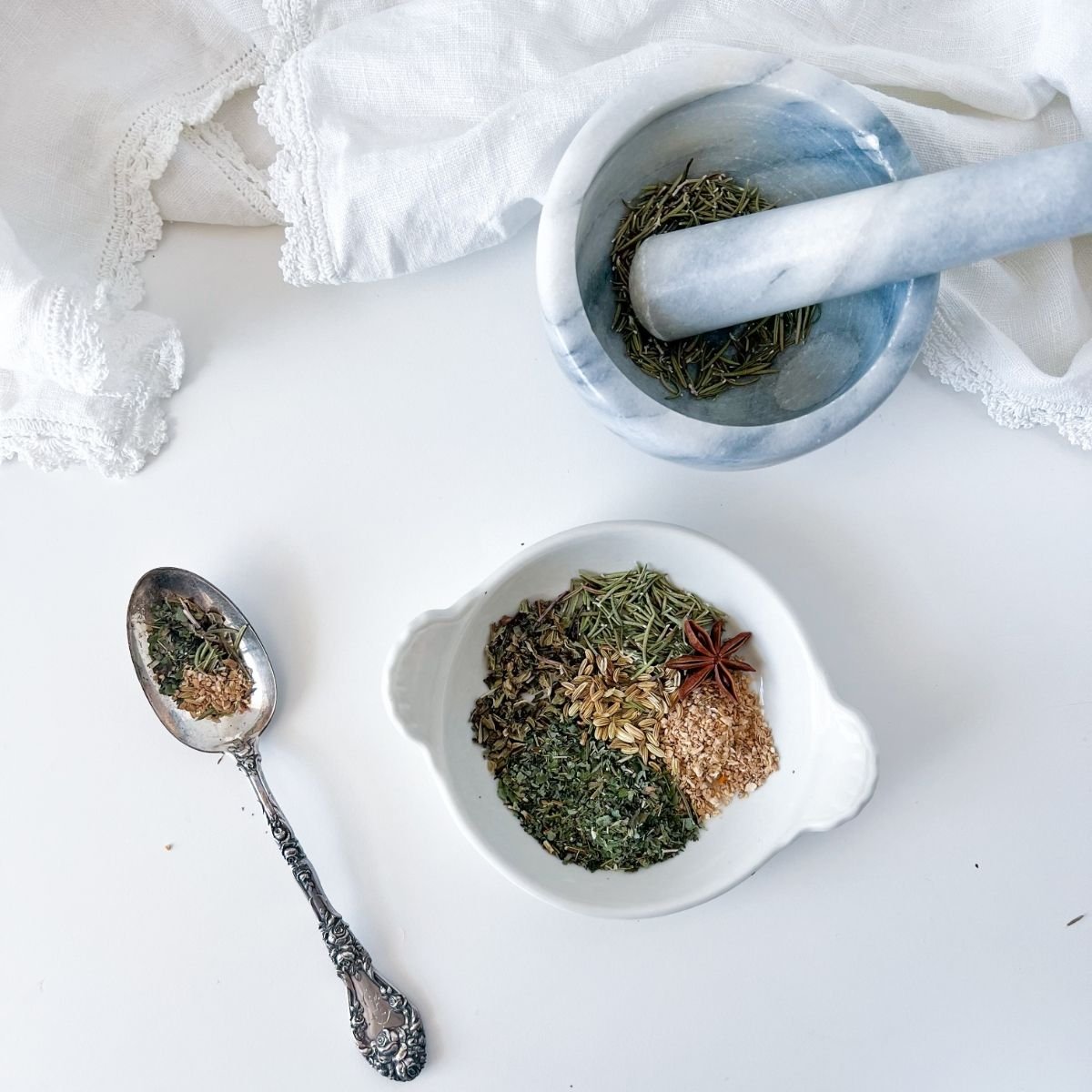
Dried lavender is the heart of this salve — floral, calming, and gently therapeutic. It has long been used to ease stress, soothe the nervous system, and promote a sense of quiet calm, making it the perfect herb to infuse into a salve meant for moments of overwhelm.
Olive Oil:
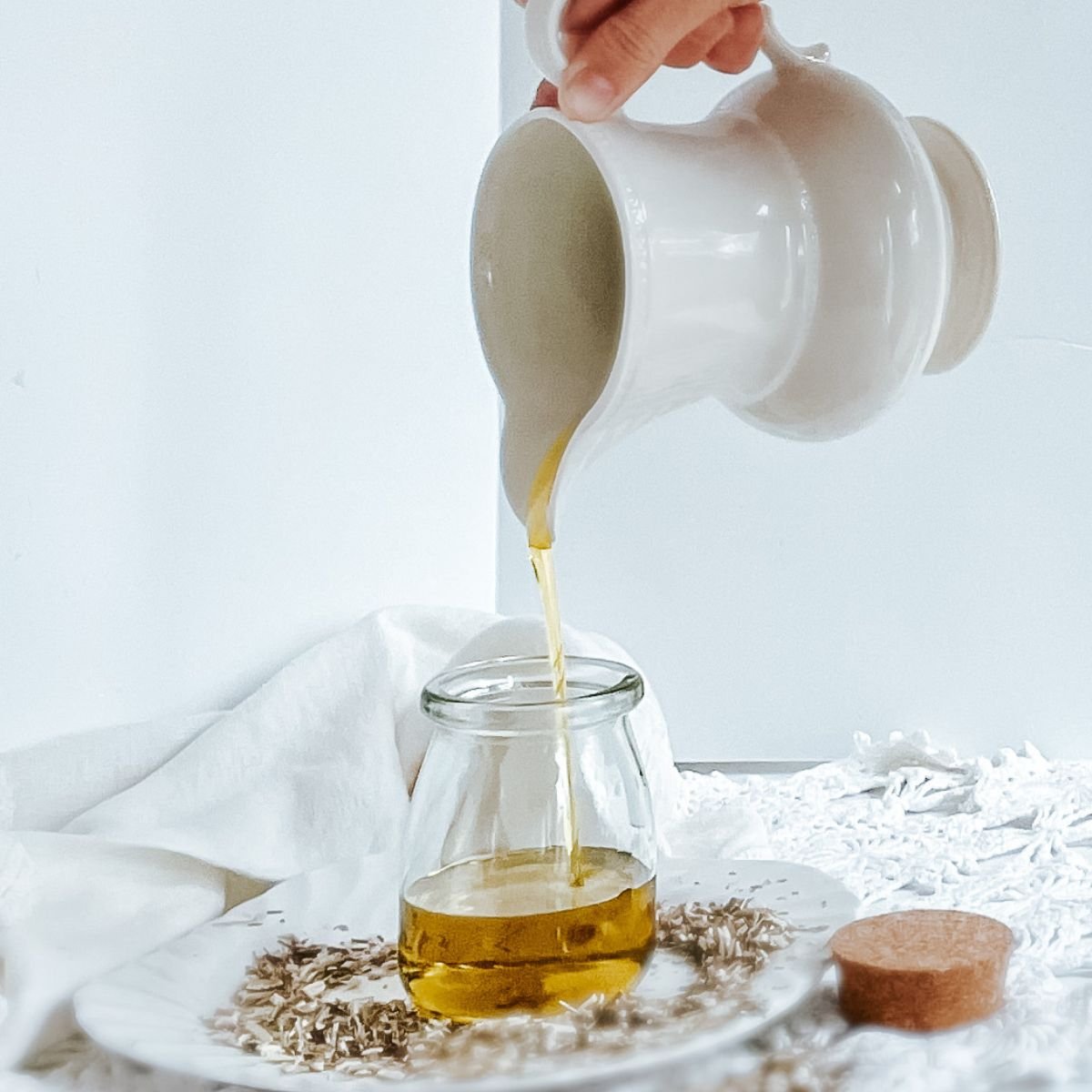
Olive oil serves as the carrier oil for this salve, drawing out lavender’s beneficial properties during infusion. It is deeply moisturizing and gentle on the skin, making it an ideal base for an herbal salve.
Beeswax:
Beeswax is what gives this salve its structure and staying power. It creates a protective barrier on the skin that locks in moisture while allowing the skin to breathe. A little goes a long way, yielding a smooth, solid salve that holds its shape without feeling heavy.
Lavender Essential Oil (optional):
A few drops of lavender essential oil added at the end of the process deepens the floral scent and enhances the calming, stress-relieving benefits of the salve. It is entirely optional, but a lovely addition for those who want a more pronounced aromatic experience
Tools You Will Need
Double Boiler or Heat-Safe Bowl Over a Pot
A double boiler is the ideal setup for gently melting the beeswax and warming the infused oil without applying direct heat. If you don’t have one, a heat-safe bowl set over a pot of simmering water works just as well.
Measuring cups:
Accurate measurements ensure the right balance of infused oil and beeswax, giving your salve the perfect texture.
Fine mesh strainer or cheesecloth:
Essential for straining the dried lavender from the infused oil after the heat infusion process, leaving you with a clean, smooth oil ready to be turned into a salve.
Small tins or glass jars:
For storing your finished salve, small metal tins or glass jars work beautifully. They are easy to seal, simple to label, and make a lovely gift if you’re making a batch to share.
Stirring Utensils:
A metal spoon or a large popsicle stick works perfectly for stirring the melted beeswax and infused oil together, encouraging even distribution throughout the process.
Step-by-Step Instructions
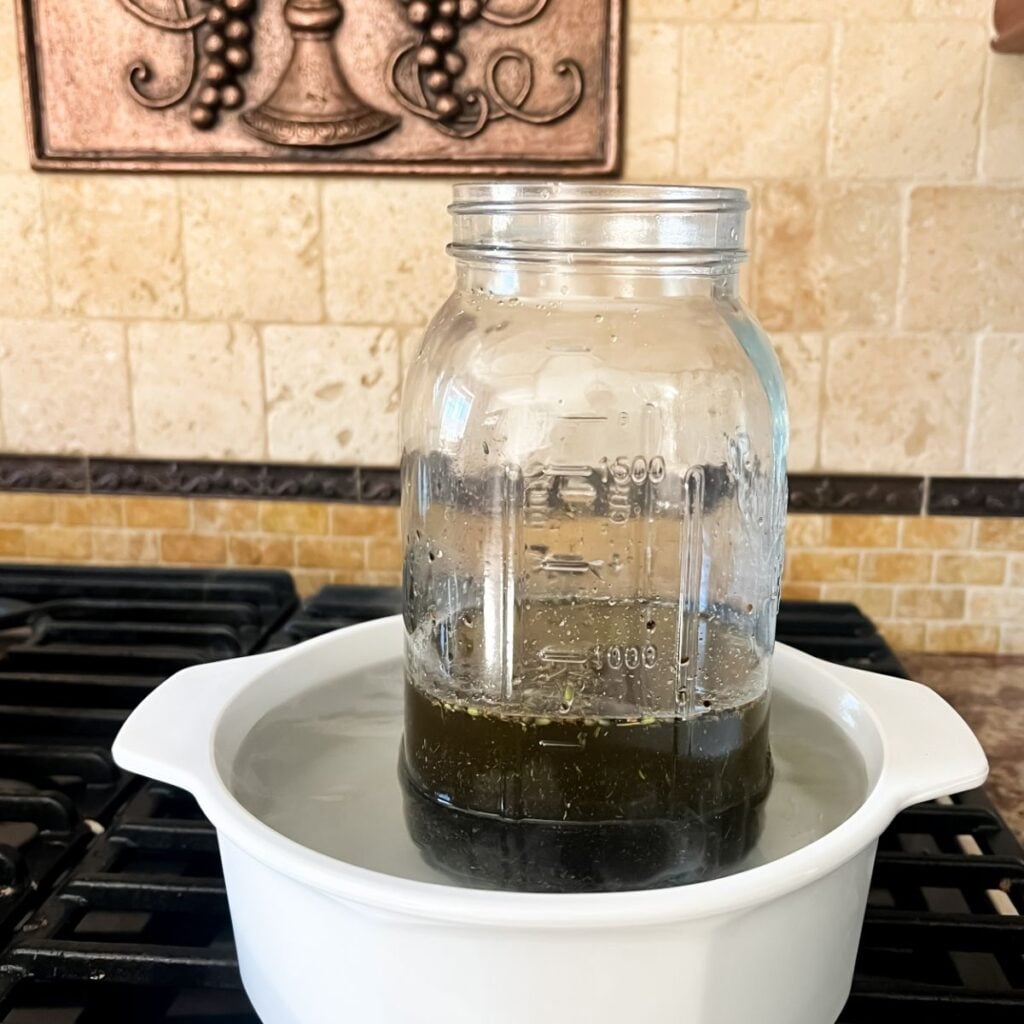
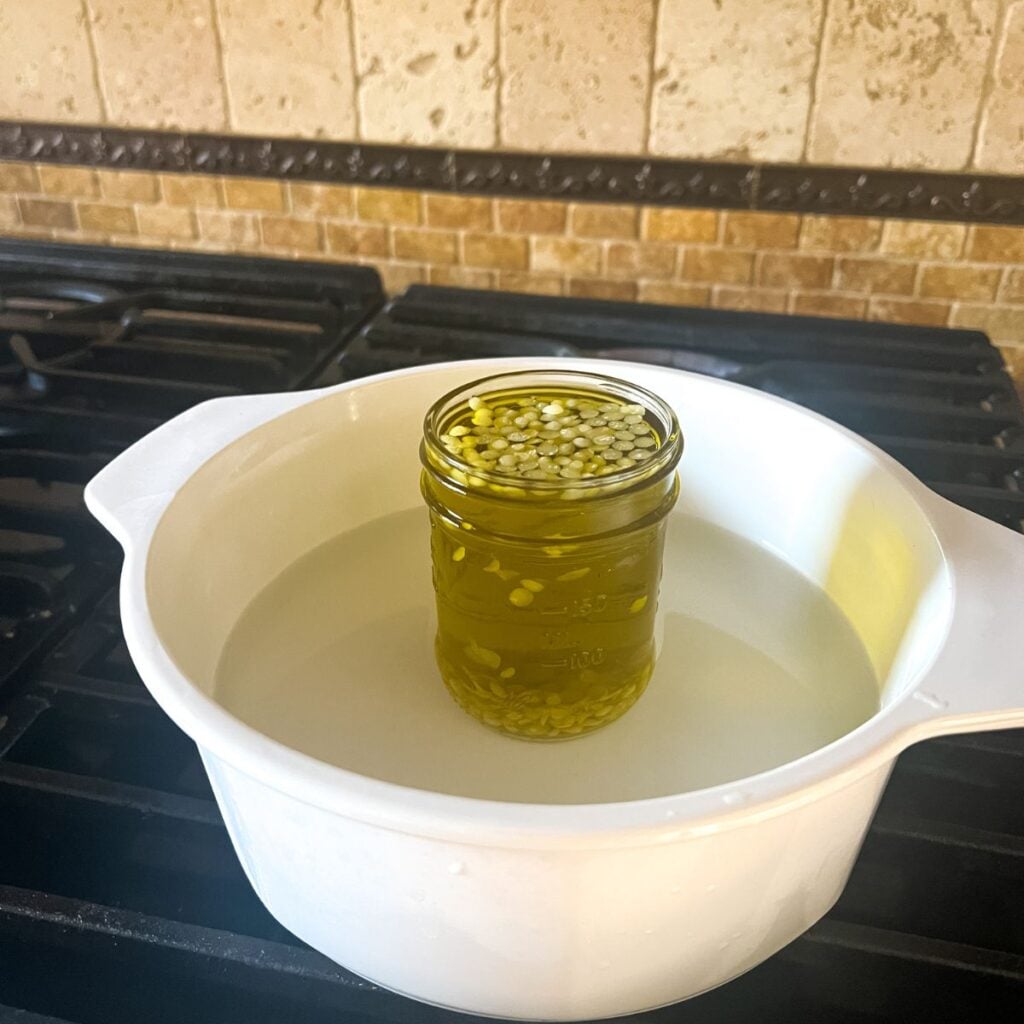
- Infuse the Oil: Begin by placing your dried lavender into a heat-proof glass jar. Pour the olive oil over the lavender, making sure the herbs are fully submerged. Set the jar in the center of a medium saucepan filled halfway with water, creating a makeshift double boiler. Heat on low-medium and allow the lavender to infuse into the oil for 3-5 hours. The slow, gentle heat draws out all of the beneficial properties of the lavender without compromising them.
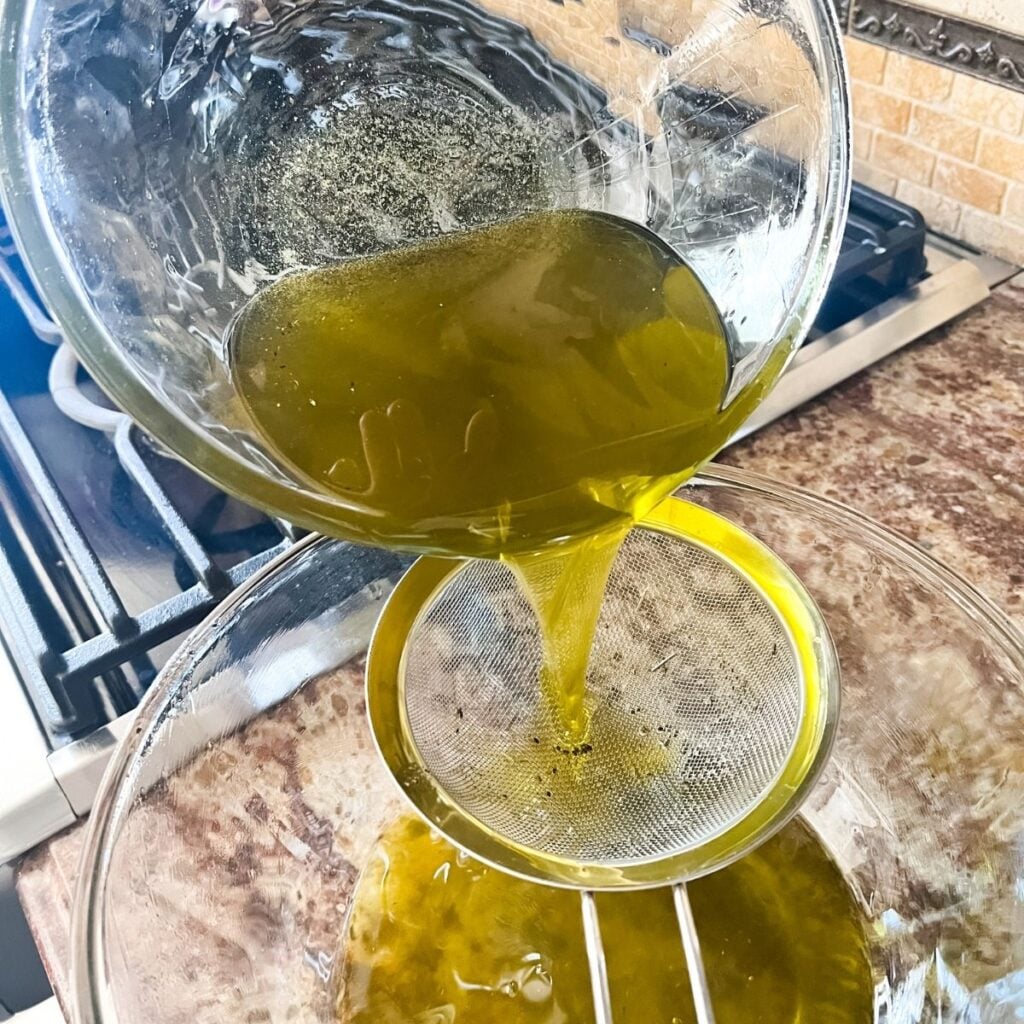
2. Strain the Infused Oil: Once the oil has finished infusing, remove the jar from the heat and allow it to cool slightly. Place your cheesecloth or fine-mesh strainer over a clean bowl and carefully pour the infused oil through to separate the lavender from the infused oil. Strain 2-3 times to ensure all plant material has been removed, leaving you with a clean, fragrant lavender oil.
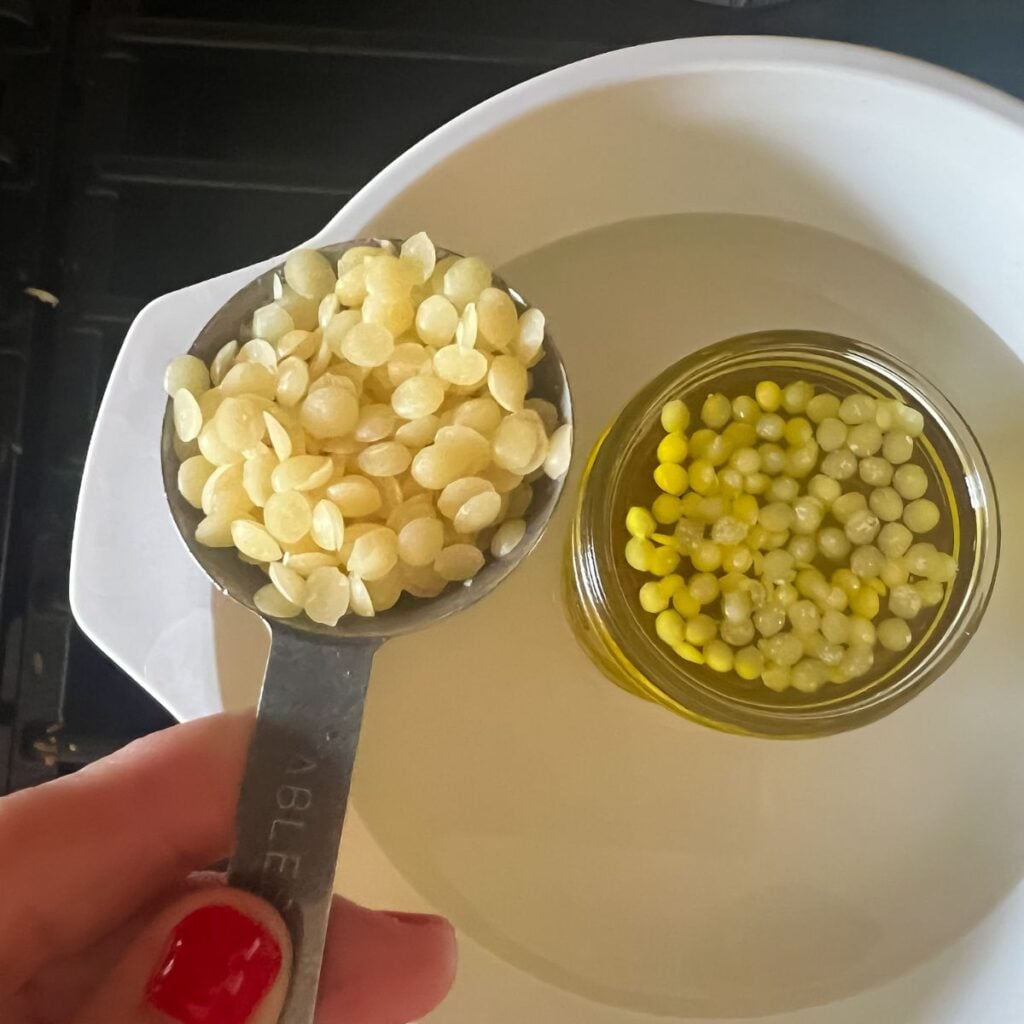
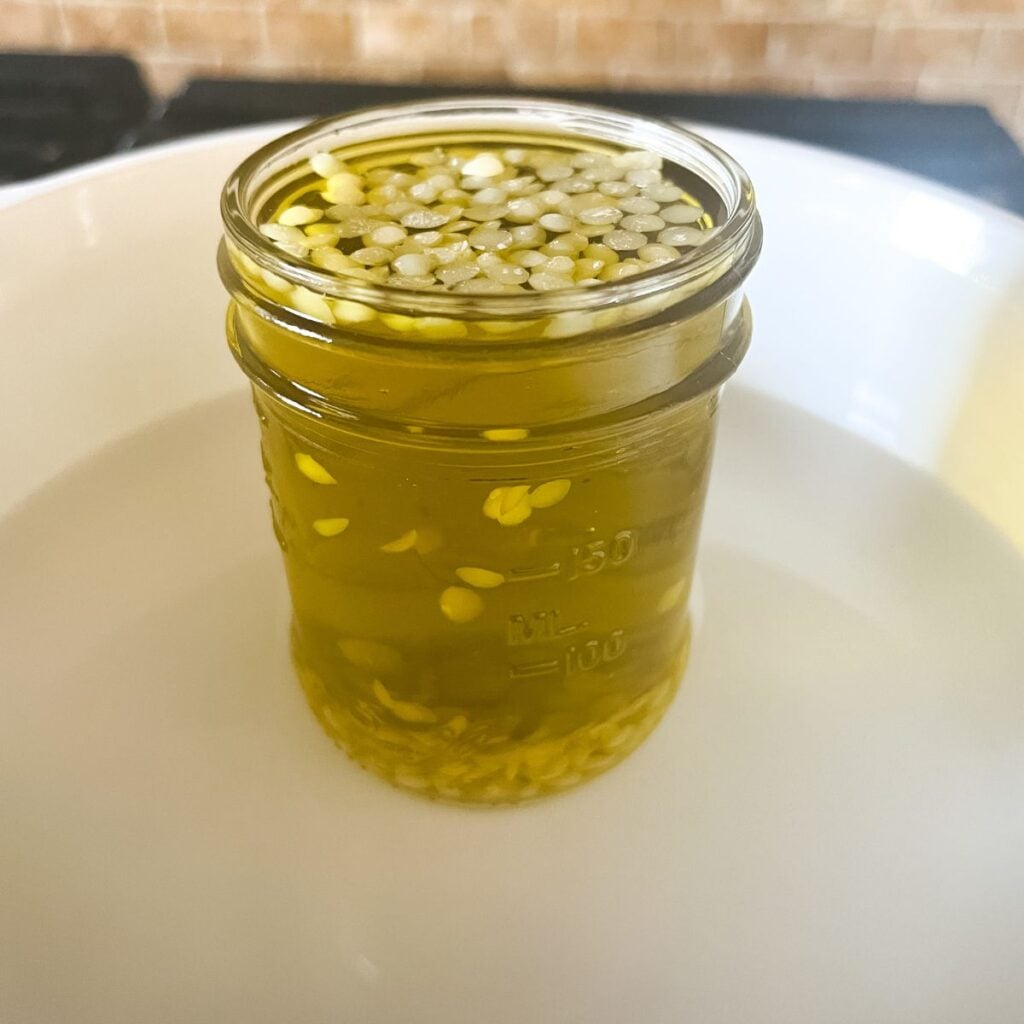
3. Melt the Beeswax: Place your strained lavender-infused oil and beeswax together in a double boiler or heat-safe bowl set over a pot of gently simmering water. Heat on low, stirring regularly, until the beeswax has fully melted and combined with the oil into a smooth, even mixture.
4. Add Essential Oil: Once the mixture has melted and is fully combined, remove it from the heat. If you are using lavender essential oil, add a few drops now and stir gently to incorporate. This is the moment to work quickly, as the mixture will begin to set as it cools.
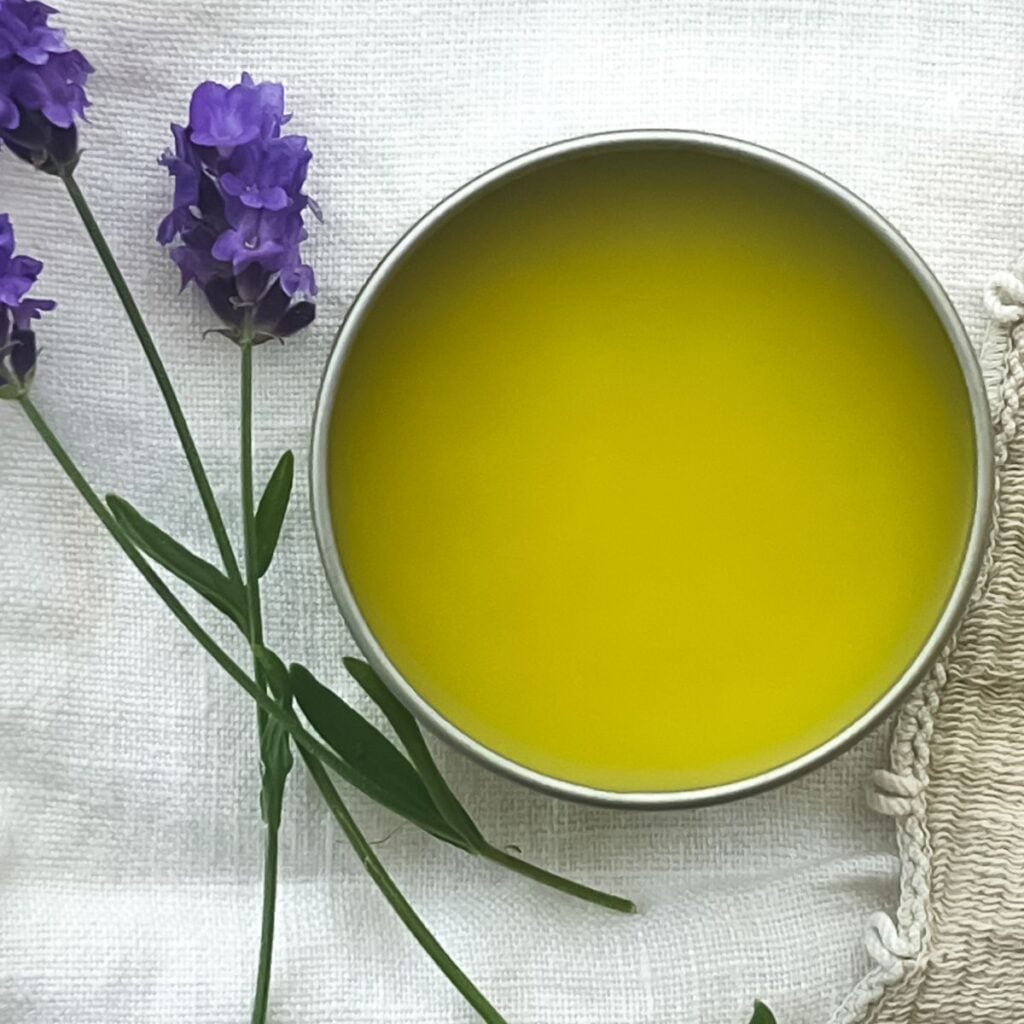
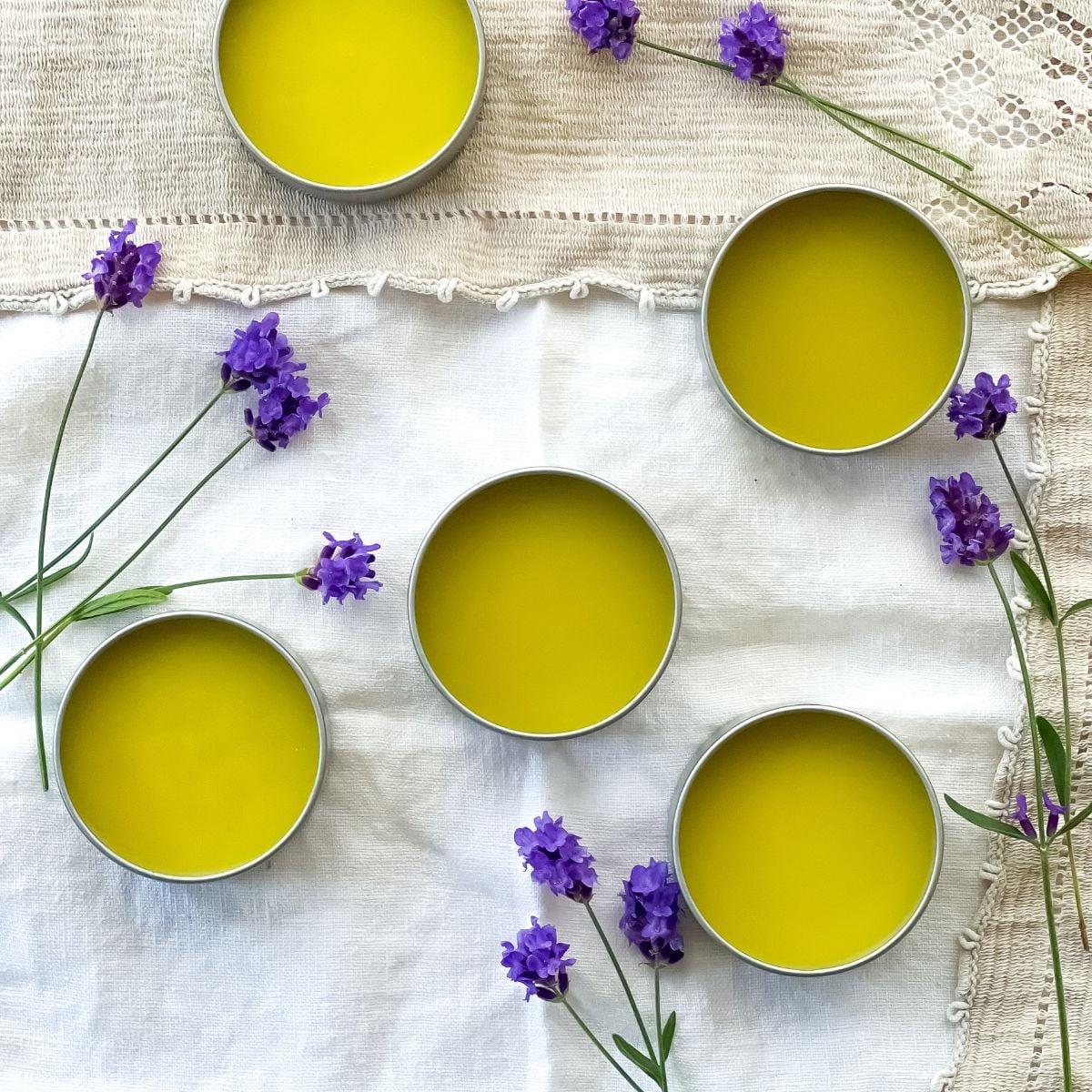
5. Pour and Set: Carefully pour the warm salve mixture into your tins or glass jars. Work slowly and steadily to avoid spills. Once poured, leave the containers undisturbed at room temperature to cool and solidify. While the salve may appear solid within an hour, allow it to cure for a full 24 hours to ensure it has completely set before sealing and storing
6. Store and Enjoy: Once fully set, seal your tins or jars and store them in a cool, dry place. Your lavender salve is now ready to use whenever you need a moment of calm. Massage a small amount into the pressure points on your wrists and behind your ears for stress relief, or smooth it onto dry skin as a soothing, nourishing balm.
Tips for Success
- Fresh lavender contains moisture, which can introduce water into your oil and lead to spoilage. Always use dried lavender for your infusion to ensure a clean, long-lasting salve.
- The longer you allow the lavender to infuse in the oil, the more potent and fragrant your salve will be. Resist the temptation to rush this step. A slow, low-heat infusion of 3-5 hours yields the best results.
- Whether you are infusing the oil or melting the beeswax, low and gentle heat is key. Too much heat can damage the beneficial properties of the lavender and affect the overall quality of your salve.
- Take the time to strain your infused oil 2-3 times through cheesecloth or a fine mesh strainer. Any remaining plant material left in the oil can shorten the shelf life of your salve and affect its texture.
- Once the beeswax and infused oil are combined and removed from the heat, the mixture will begin to set relatively quickly. Have your tins or jars ready and waiting before you begin melting so you can pour smoothly and without interruption.
- If your salve turns out too firm, gently remelt it and add a little more infused oil. If it is too soft, remelt and add a small amount of additional beeswax. It may take a small amount of trial and error to find the consistency you love most.
- It can be tempting to seal and use your salve as soon as it looks solid, but patience pays off here. Allowing a full 24 hours ensures the salve has completely set and will hold its texture over time.
- To extend the shelf life of your salve, keep it away from direct sunlight and heat. Stored properly, your lavender salve can last for up to a year.
Storing the Lavender Salve
Store your lavender salve in a sealed tin or glass jar in a cool, dry place away from direct sunlight and heat. When stored properly, your salve will keep for up to one year. If you notice any changes in scent, color, or texture before then, it is best to make a fresh batch.
Variations & Substitutions
Alternatives
- Olive oil is a nourishing base for this salve, but it is not your only option. Coconut oil, sweet almond oil, or jojoba oil all make excellent carrier oils, and each brings its own unique skin-nourishing benefits. Coconut oil adds a light, tropical scent, while sweet almond oil is particularly gentle and well-suited for sensitive skin.
- While lavender is the star of this recipe, other dried herbs infuse well into a salve. Calendula is a popular choice for its skin-soothing and anti-inflammatory properties, while chamomile brings a gentle calming quality similar to lavender. Feel free to experiment with a blend of herbs to create something uniquely your own.
- For an extra layer of calm and relief, consider adding a few drops of CBD oil to your salve at the same stage you would add the essential oil. CBD is widely used for its soothing and anti-inflammatory properties, making it a natural complement to lavender’s stress-relieving benefits. Start with a small amount and adjust to your preference.
- For a vegan-friendly version of this salve, candelilla wax or carnauba wax are both excellent plant-based alternatives to beeswax. Keep in mind that these waxes tend to be slightly firmer than beeswax, so you may need to adjust the ratio to achieve your preferred texture.
FAQ’s
Can I use fresh lavender instead of dried?
No, dried lavender is the best option for this recipe. Fresh lavender contains moisture, which can introduce water into the oil and lead to spoilage. If fresh lavender is all you have access to, allow it to dry out for several days before using it in your infusion.
Can I use this salve on sensitive skin?
For most people, lavender salve is gentle and well-tolerated, making it a lovely option for sensitive skin. That said, everyone’s skin is different. If you are trying it for the first time, do a small patch test on the inside of your wrist and wait 24 hours before applying more broadly. If you experience any irritation, discontinue use.
Can I add other essential oils to this recipe?
Absolutely. While lavender essential oil is the natural choice for this salve, it pairs beautifully with other essential oils such as frankincense, chamomile, or cedar wood. If blending, start with just a few drops of each and adjust to your preference. Always ensure any essential oils you use are skin-safe and of high quality.
Let’s Be Friends!
Get the Printable
Love this recipe? Get the beautifully designed printable PDF version — perfect for your kitchen apothecary binder. Subscribers get it free. Or grab it in my shop for $5.00.
$5.00
Make Lavender Salve|An Easy DIY Botanical Recipe| Printable PDF
Purchase this recipe booklet in PDF format! The PDF file contains everything you need to make a simple, beautiful lavender salve from scratch. Including a full ingredients list, equipment guide, step by step instructions, and notes on the art of botanical crafting.
Download the file immediately and keep your confirmation email so you can download it again later.
If you gave this recipe a try, I’d love to hear how it turned out. Share your thoughts in the comments below!
Don’t forget to pin this post and follow A Farm to Keep on Pinterest! You can save all your favorite recipes to your boards and stay up to date with the latest creations.
Share your creations on Instagram and tag us at @a.farm.to.keep
Pin This Recipe For Later