
Homemade Ramen Soup Made with Pantry Staples

Vibrant, yet simple to make, this springtime ramen soup recipe makes a satisfying meal using everyday pantry staples. Fresh, seasonal flavors blend surprisingly well with a rich, savory broth base, adding a bright and lively twist to an otherwise comforting classic.
This article contains affiliate links. Please read our full disclosure page for details.

Maybe this will be surprising, but spring is a wonderful season for making soups, especially those that use pantry ingredients. Homemade ramen is deeply nourishing, unlike the high-sodium versions I used to buy in college. Rich, warming, with layers of umami and the brightest hint of fresh vegetables, it’s become my go-to when the season shifts.
One of the reasons I love making this ramen recipe is for its versatility. No matter what I have in the pantry or freezer, it’s easy to make a delicious meal that is better than restaurant quality.
Fresh ingredients taste great in this recipe, too. Grated carrot, squash pieces, fresh bok choy, and spinach. Add your favorite protein, and you will have a tasty meal all in one bowl.

Why You’ll Love This Recipe
Deeply nourishing :
This spring ramen is warming, restorative, and full of flavor. The broth is rich and savory without feeling heavy, while fresh seasonal vegetables add brightness and life to every bowl.
Simple pantry ingredients:
You don’t need anything fancy for this recipe — just a few staples you likely already have on hand. It’s proof that a truly satisfying meal doesn’t require a special trip to the store.
Easy:
If you can boil water and simmer a pot of broth, you can make this recipe. It comes together in well under an hour, making it a perfect weeknight dinner, a quick lunch, or a last-minute meal for unexpected guests.
DIY & customizable:
This recipe welcomes your personal touch. Swap in whatever vegetables or protein you have on hand, adjust the seasoning, or add a soft-boiled egg and a drizzle of chili oil to make it your own. It’s a flexible, forgiving base that’s easy to adapt to what’s in your fridge.
A seasonal reset:
Spring is the perfect time to clear out the pantry before restocking with the season’s fresh abundance. This ramen is a delicious, intentional way to use what you already have — turning humble staples into something vibrant and nourishing.
Unique:
A spring ramen made from pantry staples might sound simple, but the result is anything but. Layered flavors, fresh textures, and a bright, seasonal spirit make this bowl feel special every time.
Budget-friendly:
With just a handful of basic ingredients, you can make a deeply satisfying pot of ramen at home for a fraction of what you’d spend at a restaurant. Stock your pantry once, and this recipe is always within reach.
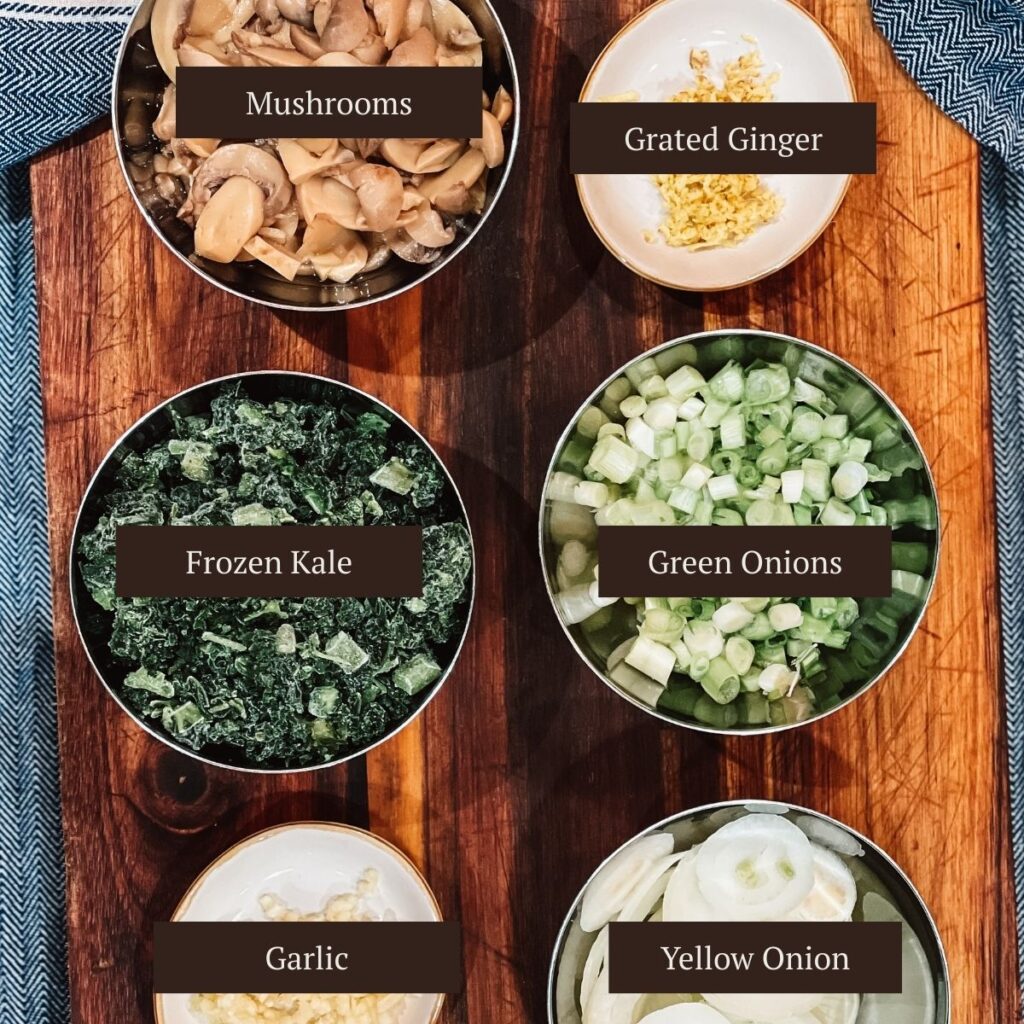
Ingredients
Ramen noodles:
The backbone of this recipe. Dried ramen noodles are a true pantry staple, affordable, quick-cooking, and perfectly suited for soaking up a rich, flavorful broth.
Chicken or vegetable broth:
The foundation of your broth. A good-quality chicken broth adds depth and warmth to the bowl. In a pinch, vegetable broth works beautifully as a lighter, plant-based alternative.
Soft-boiled eggs:
Creamy, rich, and satisfying — a soft-boiled egg takes this bowl from simple to special. The jammy yolk melts into the broth, adding a lovely layer of nourishment.
Kale, fresh or frozen:
Kale is one of spring’s most resilient greens, and keeping a bag in the freezer means this recipe is always within reach. Roughly chop it and let it wilt gently into the broth for a nutrient-packed addition.
Green onion:
Thinly sliced green onion adds a fresh, bright finish to the bowl. Save some for garnishing on top — it adds a pop of color and a gentle bite.
Mushrooms:
Sliced fresh mushrooms bring an earthy, meaty depth to the broth, but canned mushrooms work just as well and are a great pantry standby. Either way, they add wonderful texture and umami flavor.
Garlic:
Two tablespoons of crushed garlic form the aromatic backbone of this recipe, infusing the broth with warmth and depth from the very first simmer.
Ginger:
A tablespoon of freshly grated or dried ground ginger adds a gentle heat and brightness that lifts the entire bowl. It’s one of those ingredients that quietly makes everything taste more alive.
Yellow onion:
Sliced and sautéed at the start, the yellow onion builds the savory, sweet base that carries the rest of the flavors. It’s a humble ingredient that does a lot of quiet, important work.
Tools You Will Need
Large pot:
A sturdy pot is essential for building your broth and bringing everything together. The bigger the better — ramen is best with room to simmer.
Small saucepan:
Perfect for soft-boiling your eggs separately so they cook to just the right jammy consistency without disrupting the broth.
Sharp Knife & Cutting Board:
You’ll need these to slice the mushrooms, yellow onion, and green onion, and to roughly chop the kale.
Grater:
or freshly grating the ginger, which makes all the difference in flavor compared to pre-ground.
Garlic press or knife:
For crushing or mincing your garlic before adding it to the pot.
Ladel:
For serving the broth and noodles into bowls without losing any of that good soup.
Tongs or slotted spoon:
Helpful for transferring noodles and vegetables into bowls and keeping everything evenly distributed.
Step-by-Step Instructions
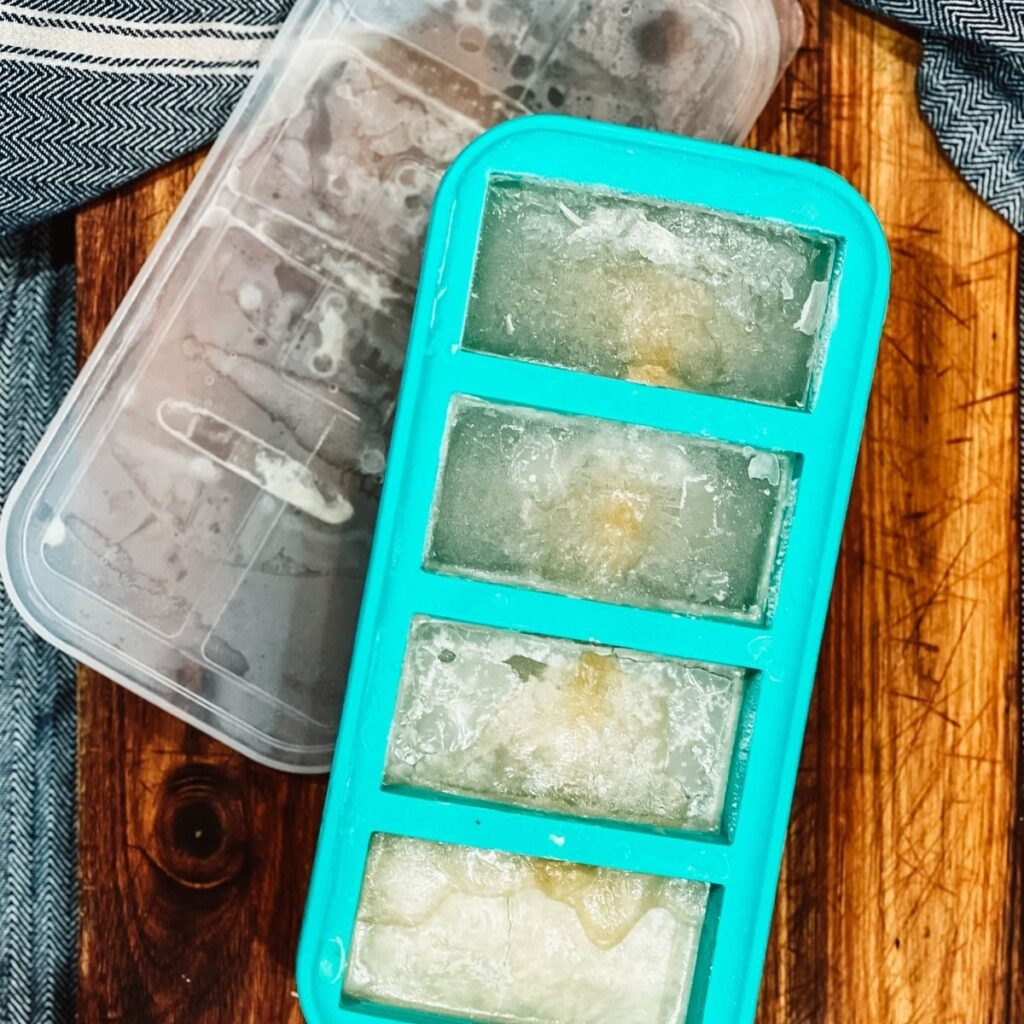
- I use pre-made, home-cooked broth that I freeze in my Souper Cubers, but you can use your favorite vegetable or chicken broth.
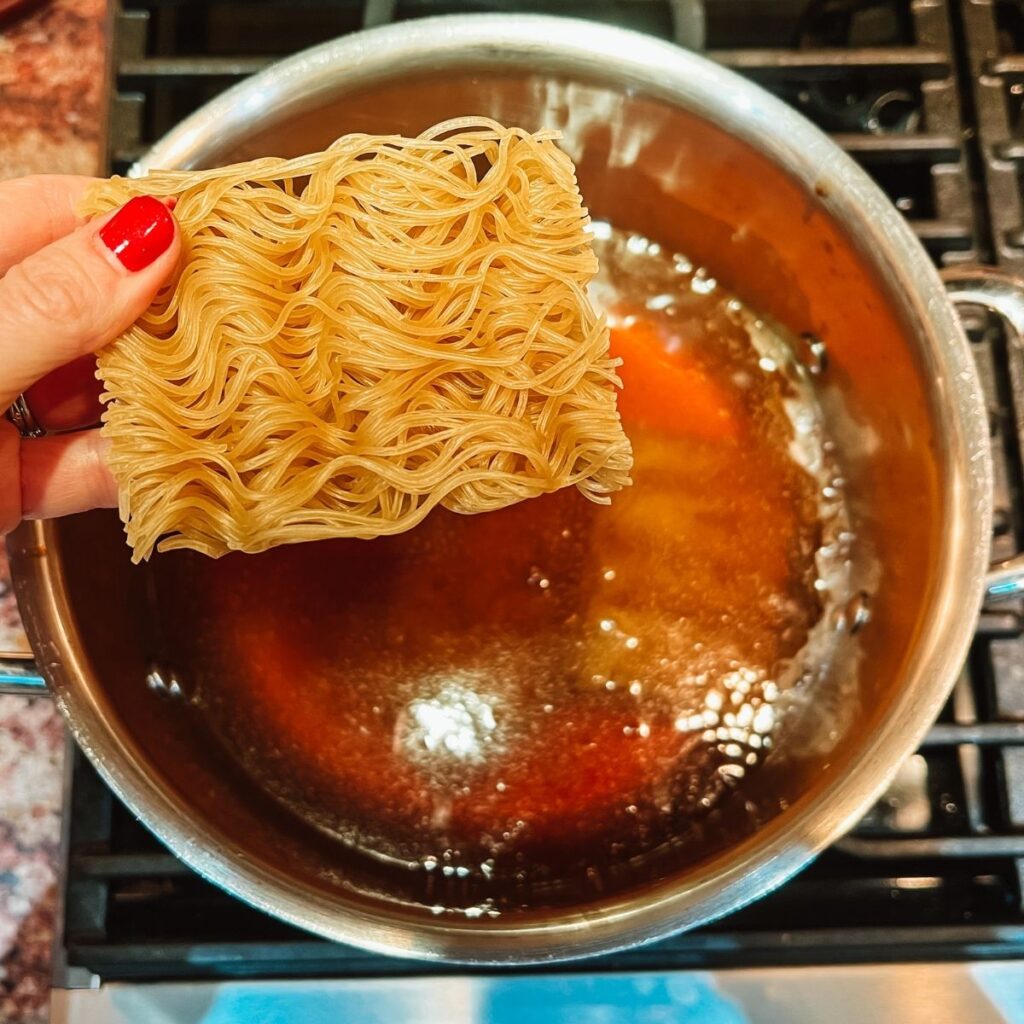
2. Pour the broth into a large pot and bring it to a boil. Once boiling, add your ramen noodles.
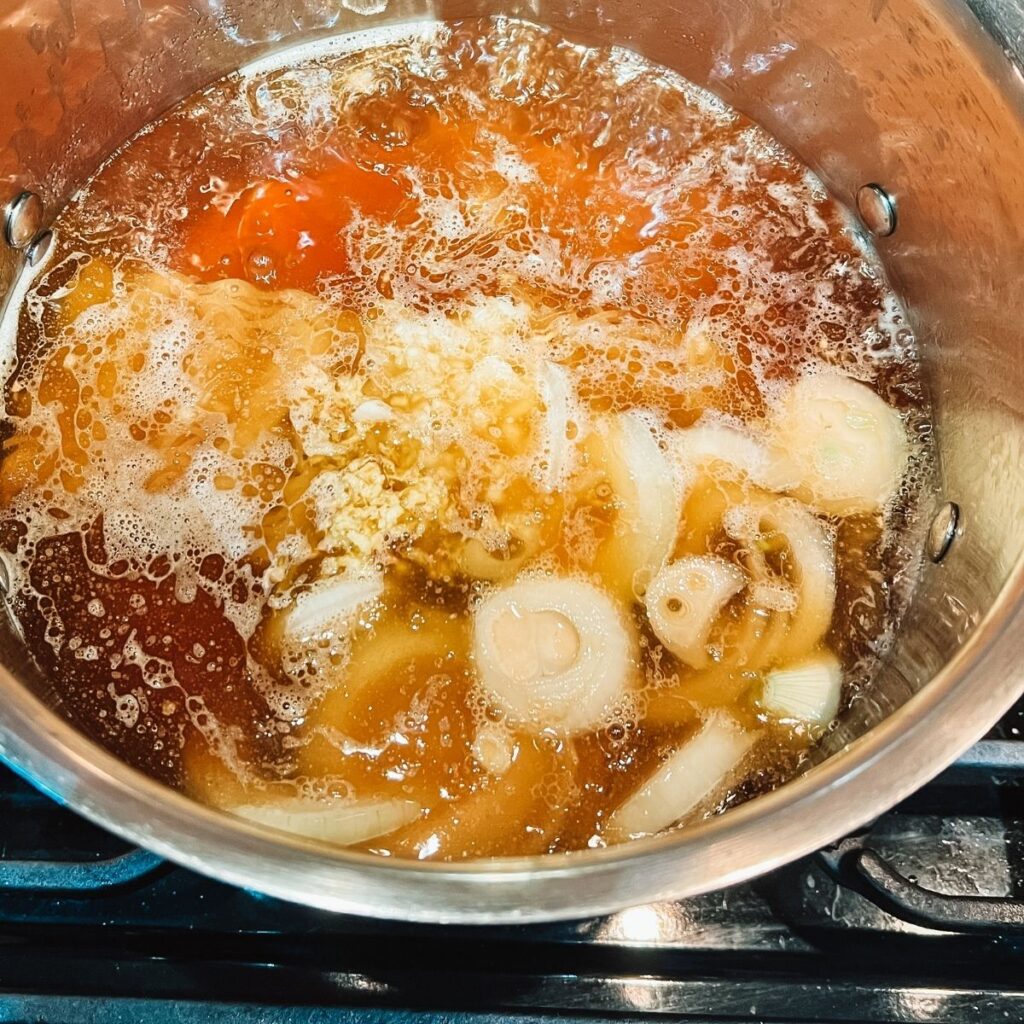
3. Add 1 yellow onion, thinly sliced, and cook, stirring occasionally, until softened. Add the mushrooms, fresh or canned, in this receipe I used canned mushrooms. Add the crushed garlic and ginger. Allow all of the ingredients to simmer.
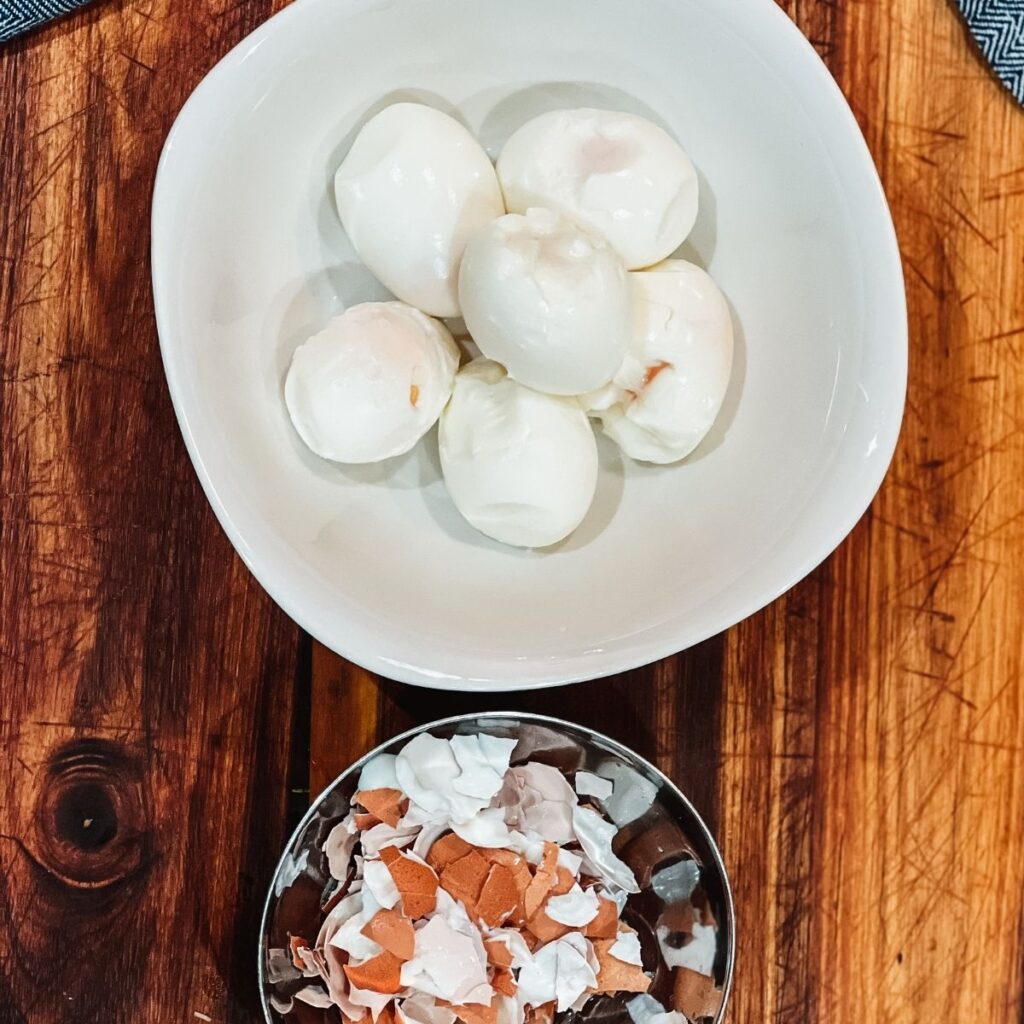
5. While the broth simmers, soft-boil the eggs: Bring a small pot of water to a boil. Gently lower in 2 large eggs and cook for exactly 7 minutes. Transfer to an ice bath immediately. Once cool, peel and set aside.

6. Once the noodles are soft, stir in the kale so that it wilts.
7. Divide the noodles and broth between two bowls. Slice the soft-boiled eggs in half and nestle them on top. Finish with a generous scattering of thinly sliced green onions, and serve immediately. Pair with steamed edamame for a full meal.
Tips for Success
- Cook the noodles directly in the broth, rather than separately.
- Ice baths for the soft-boiled eggs are essential as they stop the cooking immediately.
- For the most consistent results, bring your eggs to room temperature before boiling. If you like a slightly firmer yolk, go the full 8 minutes; for ultra-jammy, pull them at 6.
- Frozen kale is genuinely just as good here as fresh, so don’t feel like you need to make a special trip. If using fresh, a quick rough chop is all it needs. Either way, don’t overcook it; 2–3 minutes of gentle simmering keeps it vibrant and a little toothsome rather than army-green and limp.
- I prefer to use canned mushrooms for this recipe because they reduce cooking time and are always on hand in my pantry, making them convenient.
Storing Homemade Ramen Soup
Here are our top tips for storing this soup so you can enjoy it again.
Keep the components separate. The most important rule of storing ramen: don’t store the noodles in the broth. Noodles continue to absorb liquid even after cooking, turning bloated and mushy by the next day. Store the broth, noodles, eggs, and toppings in separate airtight containers.
The broth keeps well in the fridge for 4–5 days and tends to taste even better the next day as the flavors continue to develop. It also freezes beautifully for up to 3 months — pour it into freezer-safe containers or even ice cube trays for easy portioning.
The noodles Cooked ramen noodles are best eaten fresh, but if you need to store them, toss them lightly in a drop of sesame oil to prevent sticking, then refrigerate in an airtight container for up to 2 days. Reheat by briefly dunking them in hot water or dropping them straight into simmering broth.
The soft-boiled eggs. Peeled soft-boiled eggs can be stored in the fridge for up to 2 days, submerged in a small container of cold water or wrapped in a damp paper towel to keep them from drying out. Avoid freezing — the texture of the egg white becomes rubbery and unpleasant.
Kale and mushrooms. If you’ve already cooked the kale and mushrooms into the broth, they’ll store fine together with it in the fridge. If storing raw, fresh mushrooms lasts 3–5 days in a paper bag in the fridge, while fresh kale keeps for up to a week loosely wrapped.
Reheating Warm the broth on the stovetop over medium heat until gently simmering — avoid a rolling boil, which can make it taste flat. Add your noodles and toppings, let everything warm through for a minute, and finish with fresh green onion to revive that bright, just-made feel.
Variations & Substitutions
Alternatives
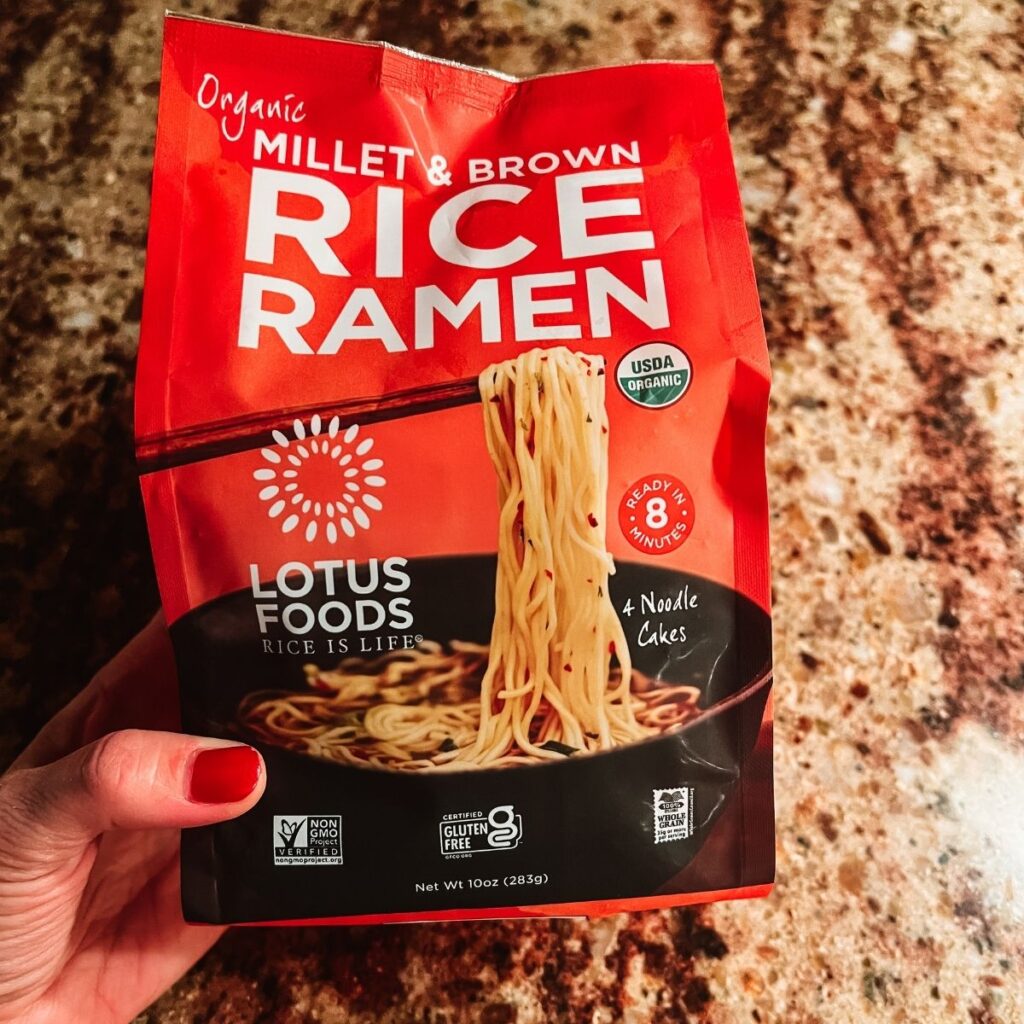
- Swap ramen noodles for soba, udon, rice noodles, or even spaghetti in a pinch.
- Add mor protein with shredded chicken or pork or tofu for a vegeatrian option.
- Add toppings for more flavor! Sesami seeds, chile oil, or crumble seaweed on top.

FAQ’s
Can I make this recipe ahead of time?
Yes, with a little planning. The broth is actually better the next day once the flavors have had time to deepen. Make and store the broth, noodles, and toppings separately, then assemble each bowl fresh when you’re ready to eat. The whole thing comes together in just a few minutes at reheating time.
Is this recipe gluten-free?
Standard ramen noodles contain wheat, so the recipe as written is not gluten-free. To adapt it, swap in rice noodles or certified gluten-free soba noodles, and replace the soy sauce with tamari or coconut aminos.
Do kids like this recipe?
Yes, it’s a very kid-friendly recipe as written. Just hold back on any added chili or spice, and consider cutting the noodles into shorter lengths for younger children. The mild, savory broth and soft noodles tend to be a hit with picky eaters.
Let’s Be Friends!
If you gave this recipe a try, I’d love to hear how it turned out. Share your thoughts in the comments below!
Don’t forget to pin this post and follow A Farm to Keep on Pinterest! You can save all your favorite recipes to your boards and stay up to date with the latest creations.
Share your creations on Instagram and tag us at @a.farm.to.keep
More Soup Recipes
Cozy Up with Instant Pot Lentil Soup (Tomato-Free!)
HOW TO MAKE ROASTED CARROT AND GINGER SOUP RECIPE

Homemade Ramen Soup From Pantry Staples
Equipment
- 1 Large pot
- 1 Small saucepan
- 1 Sharp knife
- 1 cutting board
- 1 Grater
- 1 Garlic press
- 1 Ladle
- 1 Tongs
- 1 Slotted spoon
Ingredients
- 1 package Dried ramen noodles
- 4 cups Chicken or vegetable broth Can sub with heavy whipping cream, or for a vegan option, coconut cream
- 4-6 whole Eggs
- 1 cup Kale, fresh or frozen
- 1 bunch Green onion sliced
- 1 8 oz can/ package Mushrooms, fresh or canned
- 2 tbsp Garlic
- 1 tbsp Ginger grated
- 1 whole Yellow onion diced
Instructions
- Pour broth into a large pot and bring to a boil. Add ramen noodles.
- Add thinly sliced yellow onion and cook until softened, stirring occasionally.
- Add mushrooms, crushed garlic, and ginger. Allow to simmer.
- Meanwhile, soft-boil the eggs: lower 2 large eggs into a small pot of boiling water and cook for 7 minutes. Transfer to an ice bath, then peel and set aside.
- Once noodles are soft, stir in kale and allow to wilt.
- Divide noodles and broth between two bowls. Top with halved soft-boiled eggs and sliced green onions. Serve immediately.
Notes
- Cook the noodles directly in the broth, rather than separately.
- Ice baths for the soft-boiled eggs are essential as they stop the cooking immediately.
- For the most consistent results, bring your eggs to room temperature before boiling. If you like a slightly firmer yolk, go the full 8 minutes; for ultra-jammy, pull them at 6.
- Frozen kale is genuinely just as good here as fresh, so don’t feel like you need to make a special trip. If using fresh, a quick rough chop is all it needs. Either way, don’t overcook it; 2–3 minutes of gentle simmering keeps it vibrant and a little toothsome rather than army-green and limp.
- I prefer to use canned mushrooms for this recipe because they reduce cooking time and are always on hand in my pantry, making them convenient.
You Might Also Like